How to Choose the Right Liquid Filling Machine for Your Needs?
Choosing the right liquid filling machine can greatly impact your production efficiency. With many options available, it is essential to evaluate your specific needs. Each type of liquid filling machine serves different industries and purposes. Understanding these differences is vital for making the best choice.
When selecting a liquid filling machine, consider factors such as the type of liquid, production speed, and container size. Such details are crucial for a seamless operation. A machine that works well for one product might not suit another. This makes it important to think carefully before making a final decision.
You may face challenges during the selection process. Questions may arise about compatibility with existing equipment. There might also be concerns about maintenance and support. Reflecting on these aspects will help clarify your requirements. Ultimately, the right liquid filling machine can enhance your workflow and boost productivity.
Understanding Liquid Filling Machine Types and Their Applications
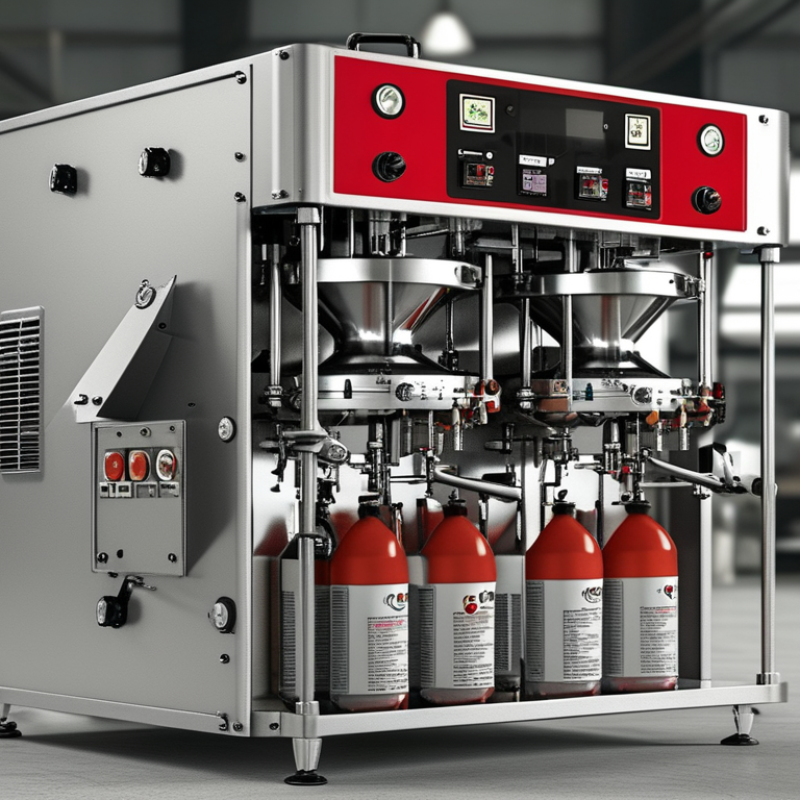
When selecting a liquid filling machine, understanding the types available can significantly impact your decision. There are several categories, such as gravity fillers, pressure fillers, and vacuum filling machines. Gravity fillers are suitable for thin liquids, whereas pressure fillers work well with thicker substances. Each type caters to specific production needs and viscosity levels, so knowing your product is key.
Applications vary widely across industries. For example, food and beverage companies often use these machines for sauces and juices. Pharmaceutical companies, on the other hand, might opt for specialized machines to handle sterile liquids. This diversity in application means that the right machine can streamline operations. However, it’s not unusual to face challenges in matching the machine to your precise requirements. Factors such as fill accuracy and speed must be evaluated carefully.
Potential buyers sometimes overlook the importance of future scalability. As production needs grow, your initial choice might become inadequate. Investing in a flexible machine could prevent upgrades down the line. Regular maintenance and understanding machine capabilities are critical. Sometimes, even a well-chosen machine can experience hiccups, making ongoing knowledge essential for optimal performance.
Evaluating Your Production Volume and Speed Requirements
When considering a liquid filling machine, evaluating your production volume and speed requirements is essential.
Your output needs will significantly influence the type of machine you choose. For instance, high-speed production lines
often require machines that can fill 300 to 700 bottles per minute. For a smaller operation, a machine that fills 30
to 100 bottles per minute may suffice. Understanding your production rates can help prevent bottlenecks in your workflow.
Industry reports indicate that many manufacturers find themselves either underestimating or overestimating their
production needs. A survey revealed that 42% of companies faced downtime due to machine inefficiencies. This often
stems from choosing a machine that doesn't align with their actual speed requirements. If your production fluctuates,
select a machine that offers flexibility. A machine designed for variable speeds can adapt to changing production
demands, potentially increasing overall efficiency.
It's also vital to consider the future growth of your operation. If you anticipate increased production demands in
the next few years, investing in a machine with higher capacity can save you from having to upgrade shortly after
purchase. This proactive approach may require more initial investment but can yield significant savings and
productivity gains in the long run. Taking time to evaluate your unique requirements will lead to better
decision-making for your liquid filling needs.
Considering the Viscosity and Properties of Your Liquid Product
Choosing the right liquid filling machine involves understanding the viscosity and properties of your liquid product. The viscosity can significantly affect the filling process. High-viscosity liquids, such as creams or gels, require machines equipped with specific pumps. These pumps can handle thick consistencies without causing damage or inefficiencies. According to an industry report by MarketsandMarkets, approximately 30% of filling equipment failures stem from mismatched viscosity handling.
Another critical factor is the temperature of your liquid. Temperature impacts viscosity. As liquids heat up, they tend to flow more easily. An evaluation of your product temperature ensures that the chosen machine can adapt to fluctuations. For example, a liquid that is too cold may not fill correctly, leading to discrepancies in volume. The International Packaged Goods Association notes that around 25% of filling discrepancies are temperature-related.
Always consider the chemical properties of your product, too. Liquids that are corrosive can damage standard filling machines. This issue calls for specialized materials in machine construction. Inadequate evaluation may lead to costly repairs or replacements. It's essential to involve experts who can assess your product's unique characteristics and suggest appropriate filling solutions. Investing time in this assessment can save money and enhance operational efficiency in the long run.
How to Choose the Right Liquid Filling Machine for Your Needs?
| Parameter |
Low Viscosity Liquids |
Medium Viscosity Liquids |
High Viscosity Liquids |
| Suitable Filling Machine Type |
Peristaltic Pump |
Piston Filler |
Gear Pump |
| Filling Speed (Bottles/Minute) |
30-60 |
20-40 |
10-20 |
| Filling Accuracy |
±1% |
±1.5% |
±2% |
| Common Applications |
Water, Juice |
Sauces, Creams |
Oils, Gels |
| Typical Price Range |
$5,000 - $10,000 |
$10,000 - $20,000 |
$20,000 - $50,000 |
Assessing Budget and Maintenance Needs for Long-Term Use
When selecting a liquid filling machine, considering budget and maintenance needs is crucial for long-term operation. Industry reports indicate that over 30% of operational costs stem from equipment maintenance. Investing in reliable machines can lead to lower unexpected expenses. Simple designs not only reduce initial costs but also make repairs easier. Machines that are straightforward often yield longer lifespans, resulting in better returns on investment.
Regular maintenance is non-negotiable. Studies show that proper upkeep can enhance productivity by up to 25%. It's vital to account for the availability of spare parts and the technical support for each machine. However, cheaper options may lack adequate support. Evaluate the total cost of ownership, including maintenance, to gauge the true value of your investment. While affordability is essential, it should not compromise quality. Reflecting on these factors will help streamline your decision-making process, ensuring sustainable use over time.
Analyzing Space and Layout Requirements for Machine Installation
When selecting a liquid filling machine, analyzing your space and layout requirements is critical. The machine should fit seamlessly into your production line. Evaluating the dimensions of the machine is essential before making a purchase. Measure the area where you plan to install the equipment. Consider not only the footprint but also the height and accessibility. You should have room for operator movement and maintenance access.
Additionally, keep in mind the layout of surrounding machinery and storage areas. A cramped workspace can lead to inefficiencies. It may also pose safety risks. If your plan includes future expansion, factor in additional space for new machines or reconfigurations. It may be tempting to choose a machine that fits perfectly, but flexibility in layout can enhance overall productivity.
Reflect on your current operations and potential growth. Avoid rushing into decisions. Make sure the liquid filling machine you select meets both your current and future needs. Engaging with industry experts can provide valuable insights. Their experience may highlight aspects you overlooked during your initial planning. Always remember, a well-planned layout promotes better workflow and reduces the likelihood of costly mistakes.