How to Choose the Best Filling Machine for Your Business?
Choosing the right filling machine is crucial for business success. In 2022, the global filling machine market was valued at around $4 billion, reflecting growth in various industries. The demand for precision and efficiency is rising. Many businesses find it challenging to select the most suitable filling machine for their needs.
John Smith, an industry expert with over 15 years of experience, stated, "Understanding your specific requirements is key to choosing the right filling machine." This insight highlights the importance of assessing individual business needs, product types, and production volumes. Selecting a machine that doesn't align with your requirements can lead to inefficiencies and increased costs.
While many options exist, not every filling machine is ideal for every product. Some may struggle with viscosity, while others may not offer the speed you need. Businesses should reflect on their operational goals. Investing time in research can prevent future headaches, ensuring your choice enhances productivity and quality.
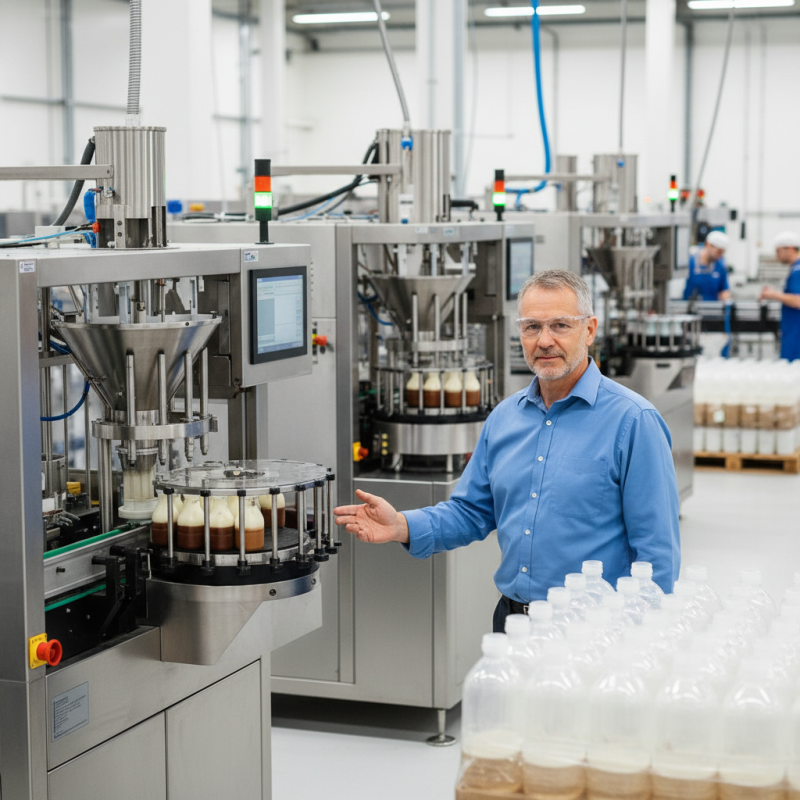
Understanding the Different Types of Filling Machines Available
Choosing the right filling machine is essential for optimizing production efficiency. Various types of filling machines cater to different industry needs. Understanding these differences can be crucial for your business success.
There are gravimetric, volumetric, and piston filling machines. Gravimetric machines measure product weight for precision. Volumetric machines use pre-set volume for speed and efficiency. They are common in beverage production. Industry data shows volumetric systems reach speeds of up to 100 containers per minute. Piston fill systems are excellent for thick liquids, such as pastes. Each type has unique benefits and limitations.
Selecting the wrong machine could lead to costly mistakes. For example, a high-speed volumetric machine may not handle viscous liquids well. Consider factors like product type, speed requirements, and production volume. Machine performance metrics often fluctuate based on usage. Always anticipate learning curves and operational adjustments when implementing new systems.
Assessing Your Product's Specific Filling Requirements
When selecting a filling machine, understanding your product's specific filling requirements is crucial. Different products demand varied filling techniques. For instance, liquids may require different machinery compared to powders. Consider the viscosity and particle size of your product. These factors will determine whether you need a gravity filler, a volumetric filler, or an auger filler.
Tips: Evaluate your production volume. High-volume needs may call for more advanced and automated machines. Lower volumes could allow for simpler solutions that are more cost-effective.
Thoroughly analyze your product's characteristics. For instance, does it contain chunks or varying sizes? A machine that handles these variations might be necessary. Spend time assessing the environment where the machine will operate. Is it dusty, humid, or does it require a cleanroom?
Tip: Don’t overlook maintenance requirements. Machines that are difficult to clean can lead to downtime and increased costs. If your filling process doesn't fit your product well, it may increase waste and reduce efficiency. Reflect on how user-friendly the equipment is for your team as well.
Evaluating Production Capacity and Speed Needs
When choosing a filling machine, assessing your production capacity and speed needs is crucial. These factors determine the efficiency of your operations. A machine that fills too slowly may hinder your growth. Conversely, a machine that operates too fast could compromise quality.
Evaluate how many units you need to fill daily. Consider peak production times. Seek a balance that maintains both speed and accuracy. This way, you avoid bottlenecks and ensure customer satisfaction. Overestimating your needs can lead to unnecessary costs, while underestimating can impact your service.
Tips: Monitor your production trends regularly. This can help you identify when demand spikes. Additionally, consult with industry experts when making a decision. They can provide insights that might lead to long-term savings. Remember that flexibility in your filling machine can adapt to changing demands.
Considering Budget Constraints and Cost-Effectiveness
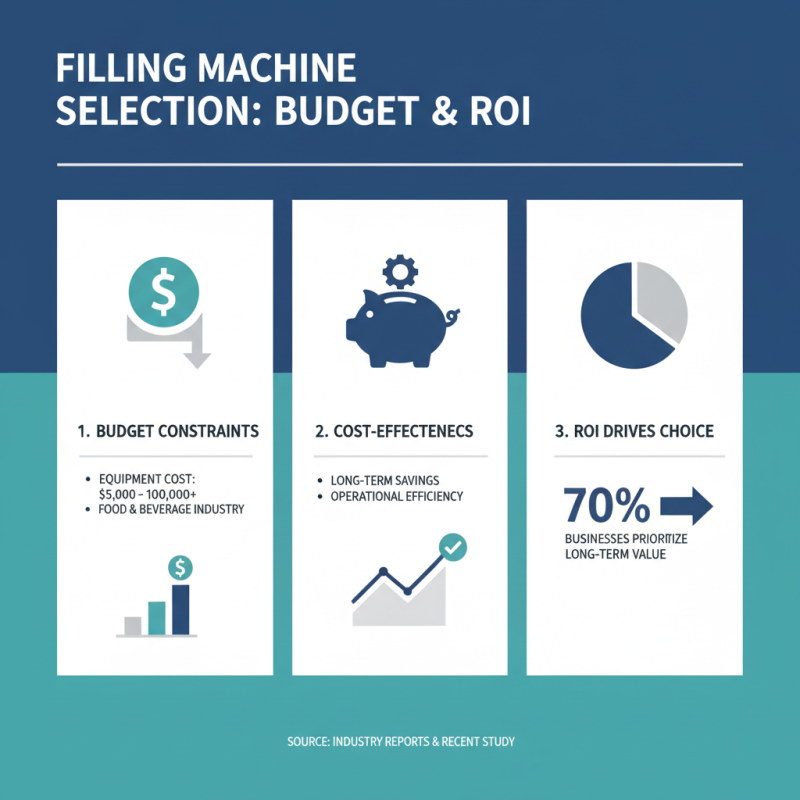
When selecting a filling machine, budget constraints heavily influence your decision. The food and beverage industry reported that filling equipment can vary from $5,000 to over $100,000. Companies often opt for machines that offer the best return on investment. A recent study highlighted that 70% of businesses consider long-term cost-effectiveness more critical than initial purchase price.
Analyzing total cost of ownership is essential. Factors such as maintenance, downtime, and energy consumption can add to overall expenses. For example, an inefficient machine might save money upfront but incur higher long-term costs. Some manufacturers reported that energy-efficient machines reduced operating costs by up to 30%.
Moreover, it’s crucial to evaluate the machine's production speed and flexibility. A filling machine should adapt to various products without significant modifications. Many companies found that versatile machines led to a 25% increase in efficiency. In contrast, businesses that overlooked this aspect faced production slowdowns. Understanding these factors can help ensure the right filling machine aligns with your budget and operational needs.
Analyzing Maintenance and Support for Filling Equipment
When selecting a filling machine, maintenance and support are crucial factors. According to a recent industry report, about 30% of production downtime is linked to equipment failure, emphasizing the need for reliable support services. Businesses should evaluate the availability of spare parts and the responsiveness of service teams. A machine that is easy to maintain can save time and costs in the long run.
Training and resources also play a significant role in effective machine operation. Approximately 20% of operators report difficulties due to a lack of proper training. Manufacturers should offer comprehensive guidance, including user manuals and online resources. This ensures that staff are well-equipped to handle the equipment, reducing the chance of errors or mishaps.
Not all companies provide equal support. Some may have limited technical resources, leading to extended downtime during maintenance. A study showed that businesses reporting inadequate support faced longer disruptions, impacting productivity. It’s vital to partner with a manufacturer that prioritizes ongoing assistance, ensuring that your filling equipment runs smoothly in a demanding production environment.