7 Best Packaging Equipment Types for Global Buyers?

Choosing packaging equipment for international operations is not simply a matter of comparing prices. Buyers must assess product shape, filling accuracy, production speed, labor skills, available floor space, and service support. A machine that performs well in one factory may create delays in another. Electrical systems, materials, language requirements, and maintenance habits can change the result.

Walter Soroka, author of Fundamentals of Packaging Technology, wrote, “Packaging is the product’s silent ambassador.” His observation also applies to the machinery behind that package. Reliable equipment protects product quality, controls waste, and keeps output consistent from the first shift to the last. It should also provide clear safety features, documented testing, accessible spare parts, and practical operator training. Small details matter. A poorly positioned sensor can stop an entire line.

This guide examines seven important packaging equipment types used by global buyers, including filling, labeling, sealing, wrapping, cartoning, and inspection systems. Each type serves a different production need. Some machines favor flexibility, while others deliver high-volume efficiency. The right choice depends on measurable requirements, not impressive specifications alone. Buyers should request samples, verify actual throughput, and review service records before signing a purchase agreement. That step is often missed. No ranking remains perfect for every factory, and this guide cannot replace a site-specific engineering assessment. Still, it offers a practical starting point for comparing packaging equipment with greater confidence.
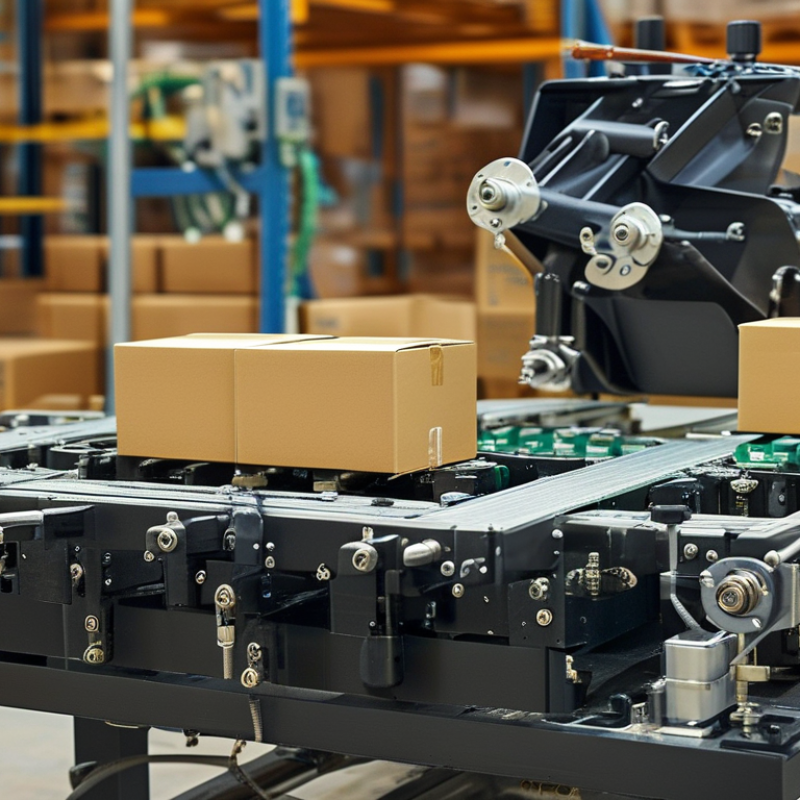
7 Best Packaging Equipment Types for Global Buyers?

What Packaging Equipment Is and Why It Matters for Global Buyers

Packaging equipment turns products into stable, traceable, and transport-ready units. For global buyers, the right system affects labor, waste, safety, and delivery consistency.

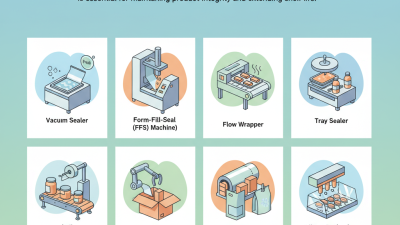
Common choices include filling machines, form-fill-seal systems, cartoners, labelers, coding units, case packers, and palletizers. Inspection equipment may also be essential when accuracy is critical.

The decision deserves more than a capacity comparison. Smithers’ The Future of Global Packaging to 2028 estimates that the global packaging market will approach US$1.3 trillion by 2028. This growth increases pressure on factories to automate carefully, not blindly.

PMMI’s Global Packaging Trends research also identifies labor shortages, sustainability, and flexible production as major investment drivers. A faster machine is not always better. A line that cannot handle new pack sizes may become expensive equipment very quickly. I have seen specifications look excellent on paper, yet changeover time undermined the entire purchase.

Tips: Ask for verified output at your actual product weight, material, and speed. Request factory acceptance testing with your own samples. Check power standards, spare-part availability, operator training, and remote support before signing. Consider total cost over five years, including film waste, maintenance, energy, and downtime. Reports can guide the market view, but real production trials reveal the uncomfortable details.
Seven Essential Types of Packaging Equipment and Their Main Uses

Seven Essential Types of Packaging Equipment and Their Main Uses

Packaging lines usually rely on seven equipment types, each solving a different production problem. Filling machines measure liquids, powders, or granules into containers. Capping and sealing machines close bottles, pouches, trays, or cartons. Their pressure settings must match the package material. Small errors can cause leaks.

Labeling machines apply product information accurately and consistently. Cartoning and case-packing machines place individual products into cartons or shipping cases. Wrapping equipment adds film protection around grouped products or pallets. Coding and inspection systems print batch details, dates, and traceable marks, then check readability, position, or package defects. Palletizing machines arrange cases for stable storage and transport. These systems reduce repetitive labor and improve handling safety.

In real facilities, equipment selection depends on product texture, container shape, output speed, and cleaning requirements. A powder filler may need dust control, while a liquid filler requires careful drip prevention. I have seen fast lines lose efficiency because changeovers were poorly planned. Speed is not everything. Operators also need clear controls, accessible parts, and dependable maintenance support. One overlooked sensor can stop an entire line. Buyers should test materials, sample packages, and actual production speeds before approving a machine. A promising demonstration may not reflect daily factory conditions. Waste, noise, floor space, and future package changes deserve equal attention.

How Each Packaging Machine Works Across Different Product Categories

7 Best Packaging Equipment Types for Global Buyers

Packaging machines behave differently across product categories. Liquid fillers use pumps or pistons to control sauces, beverages, oils, and personal-care liquids. Foamy products need slower filling and settling time. Powder auger fillers measure flour, spices, and nutritional powders by screw rotation, but humidity can cause bridging. Multihead weighers combine several weighed portions for snacks, grains, and frozen foods. Accuracy depends on particle size and product flow.

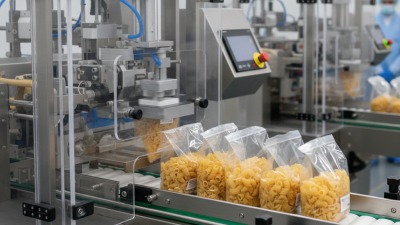
Vertical form-fill-seal machines create bags from roll film, then fill and seal them. They suit powders, granules, snacks, and small hardware. Horizontal form-fill-seal machines wrap bars, biscuits, and tray-packed products with controlled film movement. Labeling machines apply labels to bottles, jars, cartons, or irregular containers. Cartoning and case-packing systems group retail packs into shipping cartons, reducing manual handling. The same machine may need different guides, sealing temperatures, or software settings for each category. A beautiful test result can still fail after transport.

Tips: Test real product samples, not substitutes. Check dust, viscosity, temperature, and package dimensions. Request speed data at your target fill weight. Inspect seals by hand and through leak testing. Leave room for cleaning access. I have seen buyers prioritize speed, then discover that changeovers take too long. That mistake is avoidable. Ask for documented accuracy, maintenance intervals, and operator training requirements before comparing prices.

7 Best Packaging Equipment Types for Global Buyers

How each packaging machine works across different product categories

How to read the chart: The values show representative low-to-high operating ranges in units per minute, based on common commercial packaging configurations. Actual output depends on product characteristics, package size, filling accuracy, automation level, and changeover requirements. Palletizer figures are converted from typical pallets per hour into pallets per minute.

  • Vertical Form-Fill-Seal: Forms film bags and fills them with snacks, grains, powders, and other free-flowing products.
  • Horizontal Form-Fill-Seal: Wraps solid products such as bars, bakery goods, medical items, and consumer goods in horizontal film.
  • Liquid Filler: Measures and fills beverages, sauces, detergents, oils, and other liquid products into bottles or containers.
  • Auger Filler: Uses a rotating screw to dose powders such as flour, spices, coffee, and nutritional products.
  • Cartoner: Inserts products into folding cartons, commonly used for food, pharmaceuticals, cosmetics, and household goods.
  • Case Packer: Groups primary packages into shipping cases for beverages, food, personal care, and industrial products.
  • Palletizer: Arranges cases or bags into stable pallet loads for warehouse handling and global distribution.

Key Factors for Comparing Packaging Equipment in Global Markets

7 Best Packaging Equipment Types for Global Buyers?

Global buyers commonly compare seven equipment types: filling and capping machines, form-fill-seal systems, cartoners, case packers, labeling machines, wrapping machines, and palletizers. The best choice depends on the product, output target, and package format. Smithers’ The Future of Global Packaging to 2028 report values the global packaging market above $1 trillion, increasing pressure on manufacturers to improve speed and flexibility. However, a higher speed rating may create more waste when changeovers are frequent.

However, a higher speed rating may create more waste when changeovers are frequent.

Compare total operating value, not only purchase price. PMMI’s 2024 State of the Industry report places U.S. packaging machinery shipments above $10 billion in 2023 and highlights automation, labor availability, and sustainability as key investment pressures. Ask suppliers for verified output data, energy consumption, changeover time, spare-part availability, and remote-support coverage. Check whether the machine accepts local voltage and regional packaging materials.

Small details matter. A ten-minute daily adjustment can become hundreds of hours annually. Factory acceptance testing should use your actual containers, films, labels, or cartons. Request performance records from similar applications, but examine them carefully.

Small details matter.

A perfect demonstration can hide difficult maintenance. I would also score training quality, documentation, sanitation access, and integration with existing conveyors. The cheapest quote may still be the costliest mistake. Comparing these factors consistently creates a more reliable shortlist, although no scoring sheet replaces an experienced operator’s criticism.

How to Select, Integrate, and Maintain Packaging Equipment Successfully

Global buyers often start with seven equipment groups: filling and sealing machines, form-fill-seal systems, cartoners, case packers, labeling units, inspection systems, and palletizers. Selection should begin with the product, package material, speed, and changeover range. PMMI’s 2023 State of the Industry report valued U.S. packaging machinery shipments at about $10.2 billion in 2022, showing how quickly this investment area is expanding.

Integration needs more than matching machine speeds. Confirm electrical standards, compressed-air quality, floor loading, guarding, and cleaning access before purchase. Require factory acceptance testing with real containers and realistic production rates. Define communication protocols, alarm ownership, recipe control, and data points early. A line may run fast, yet still lose hours during manual transfers. That detail is easy to miss.

Maintenance planning should begin during design. Ask for wear-part lists, lubrication intervals, fault histories, training records, and remote-support limits. The U.S. Department of Energy reports that predictive maintenance can reduce maintenance costs by 25–30% and lower downtime by 35–45%. Use condition checks for motors, belts, sealing jaws, sensors, and vacuum systems. Track OEE, but question it when data collection is inconsistent. A perfect dashboard can still describe imperfect reality. Keep critical spares locally, although excessive inventory can quietly consume cash. Review changeover time after installation, not only during a supplier demonstration. You may discover that the “best” machine is simply the easiest one for operators to understand and maintain.

7 Best Packaging Equipment Types for Global Buyers? - How to Select, Integrate, and Maintain Packaging Equipment Successfully

Equipment Type Typical Applications Common Throughput Range* Main Package Formats Key Selection Criteria Integration Requirements Maintenance Priorities
Vertical Form-Fill-Seal (VFFS) Machine Powders, granules, snacks, frozen foods, agricultural products and other free-flowing or semi-free-flowing products. Approximately 20–120 bags/min, depending on product, bag size and dosing method. Pillow bags, gusseted bags, block-bottom bags and quad-seal bags. Product characteristics, target fill weight, film type, sealing temperature range, changeover time and required dosing accuracy. Usually connects to a multihead weigher, linear weigher, auger filler, volumetric cup filler, date coder and checkweigher. Inspect sealing jaws, forming collars, film sensors, belts and pneumatic components; clean product-contact areas regularly.
Horizontal Form-Fill-Seal (HFFS) Machine Bakery goods, confectionery, medical disposables, hardware, household products and ready-to-eat items. Approximately 30–200 packs/min, depending on product dimensions and sealing configuration. Pillow packs, three-side-seal sachets, four-side-seal packs and gusseted packs. Product dimensions, film barrier requirements, seal integrity, cutting accuracy, feeding stability and format flexibility. Requires synchronized product infeed, film registration, coding, gas flushing or perforation systems when specified. Check sealing knives, crimpers, film rollers, registration sensors and timing settings; remove film residue from heated surfaces.
Cartoning Machine Food, pharmaceutical, personal-care and consumer products requiring secondary paperboard packaging. Approximately 30–400 cartons/min, depending on intermittent or continuous motion and carton design. Straight-line cartons, reverse-tuck cartons, lock-bottom cartons and cartons with inserts. Carton board stiffness, product orientation, carton dimensions, closure method, insertion accuracy and changeover requirements. Needs controlled product spacing, carton blank feeding, leaflet or insert handling, coding and downstream case packing. Maintain vacuum cups, carton magazines, folding rails, glue systems and sensors; verify carton alignment and compression settings.
Case Packer Grouping primary packages into corrugated shipping cases for food, beverage, household and industrial products. Approximately 8–40 cases/min, depending on case pattern, product stability and loading method. RSC cases, wraparound cases, tray-and-hood packs and display-ready cases. Case size range, loading pattern, product fragility, adhesive requirements, floor space and packaging material tolerances. Must synchronize with an accumulation conveyor, case erector, product collator, case sealer and palletizing line. Inspect case guides, vacuum or gripping tools, glue nozzles, belts and compression sections; check case squareness.
Automatic Labeling Machine Bottles, jars, cartons, pouches, trays and shipping containers requiring identification or regulatory information. Approximately 30–300 containers/min, depending on label size, container shape and application accuracy. Wrap-around, front-and-back, top, bottom, tamper-evident and print-and-apply labels. Container geometry, label material, adhesive compatibility, placement tolerance, print quality and variable-data requirements. Integrates with conveyors, vision inspection, printers, serialization systems and reject devices. Clean peel plates and rollers, calibrate sensors, inspect applicator belts and control label tension and web tracking.
Checkweigher and Metal Detector Online weight verification and foreign-metal detection for food, pharmaceutical and consumer-product lines. Approximately 60–400 products/min, depending on product spacing, weight range and inspection sensitivity. Bags, cartons, trays, bottles, pouches and multipacks. Required accuracy, product effect, target sensitivity, conveyor speed, reject confirmation and applicable market regulations. Requires stable product spacing, calibrated weighing conveyor, validated reject mechanism and production-data connectivity. Perform scheduled test-piece checks, clean load cells and inspection apertures, verify reject timing and document calibration results.
Robotic Palletizer Automated stacking of cases, trays, sacks and cartons for warehouse and distribution operations. Approximately 10–60 cases/min, depending on payload, pallet pattern, reach and number of product lines. Corrugated cases, shrink-wrapped trays, bags, bundles and mixed-SKU pallet loads. Payload, reach, cycle time, pallet dimensions, stacking pattern, product stability, safety requirements and future SKU expansion. Integrates with case conveyors, pallet dispensers, slip-sheet units, stretch wrappers, safety guarding and warehouse systems. Inspect grippers, vacuum generators, robot joints, safety circuits and conveyor alignment; back up programs and monitor cycle performance.

*Throughput figures are practical indicative ranges. Actual performance depends on product characteristics, package dimensions, material specifications, machine configuration, operator skill and required quality controls.

Shopping cart