Global buyers now judge a Clothes Bag by more than appearance, price, and stitching. They examine fiber content, reuse potential, factory transparency, and delivery reliability. The decision often begins with a simple detail: a zipper that survives repeated opening, or a handle that fails beside an airport conveyor.
Textile Exchange’s Materials Market Report 2024 estimates that global fiber production reached 124 million tonnes in 2023. It could rise to 160 million tonnes by 2030. That growth increases pressure on garment packaging and its material choices. Smithers’ sustainable packaging research also highlights stronger demand for recyclable formats, reduced material use, and credible environmental claims. Yet “eco-friendly” remains too vague. Buyers need evidence.
Circular-economy expert Ellen MacArthur states, “A circular economy is based on the principles of designing out waste and pollution, keeping products and materials in use, and regenerating natural systems.” Her principle offers a useful test for every supplier listed here. Can the bag be reused, repaired, recycled, or responsibly replaced?
This Top 10 Clothes Bag Manufacturers for Global Buyers guide compares practical factors. It considers material options, production capacity, customization, quality control, certifications, minimum order quantities, and export experience. Samples still matter. A polished catalog can hide weak seams, uneven printing, or unclear test results. Some rankings may also remain imperfect because supplier data changes quickly. Buyers should verify current certificates, factory records, and sample performance before ordering. The strongest manufacturer is not always the cheapest. It is the one that delivers consistent protection, measurable responsibility, and dependable communication.
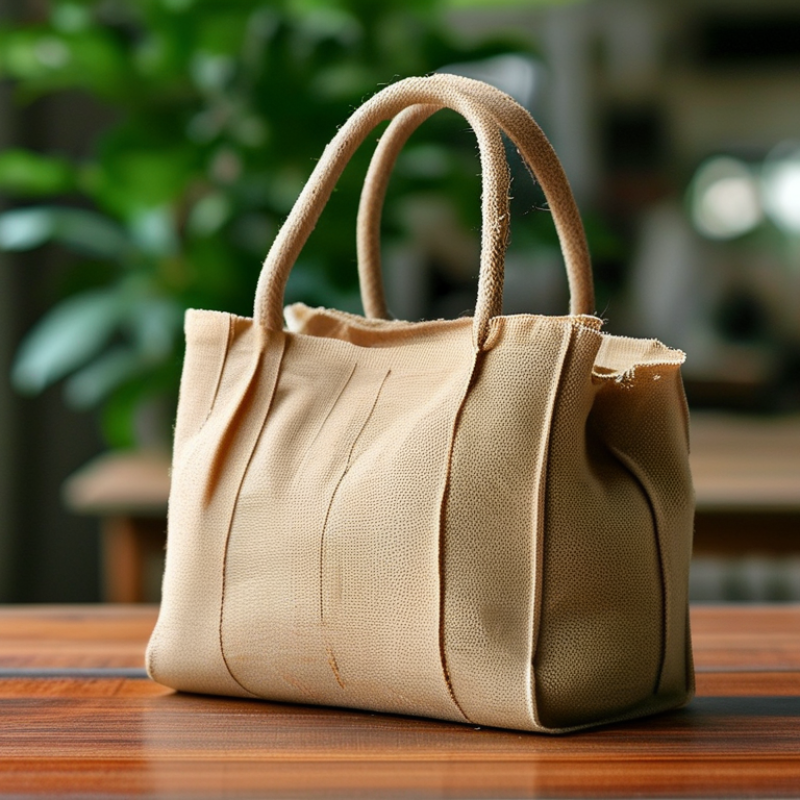
Top 10 Clothes Bag Manufacturers for Global Buyers
Global apparel exports remain worth hundreds of billions of dollars annually. Demand shifts with seasonal orders, online retail, and regional production changes. Garment-bag trade data is less straightforward. Customs records may classify bags under broad plastic, textile, or packaging codes. This can hide actual shipment volumes. Buyers should compare export values, shipment frequency, material types, and destination markets before selecting manufacturers. A supplier serving large apparel-exporting regions may understand folding, labeling, moisture control, and container loading better.
A strong manufacturer should provide recent test reports, factory audit records, sample approvals, and clear production lead times. Ask for measurements in millimeters, film thickness, closure type, recycled content, and carton capacity. A 60-centimeter garment bag can protect a folded shirt, yet waste space around smaller accessories. Pricing also changes with resin costs, order size, printing, and freight. A perfect sample can mislead. Factory consistency matters more than appearance alone. My practical concern is simple: trade databases are useful, but they rarely explain quality failures.
Tips: Request samples from several manufacturers and test them during real packing. Check seal strength, odor, transparency, tear resistance, and storage performance. Review certificates independently where possible. Confirm the bag’s material and disposal guidance for each destination market. Keep written specifications, because verbal promises disappear quickly. Lower prices may look attractive, but unstable dimensions can create labor costs and shipment delays.
| Rank | Manufacturing Market | 2023 Apparel Exports (USD Billion, Rounded) | Common Garment-Bag Production Strength | Garment-Bag Customs Proxy | Relevant HS Classification | Global-Buyer Sourcing Signal |
|---|---|---|---|---|---|---|
| 1 | China | 165.0 | Large-scale cut-and-sew production, polyester textiles, coated fabrics and diversified accessories | Textile outer surface | HS 4202.92: travel, sports and similar bags with outer surface of textile materials | Broad supplier base and high production flexibility |
| 2 | Bangladesh | 47.4 | High-volume apparel manufacturing, woven polyester, recycled fabrics and export packing products | Textile outer surface | HS 4202.92: textile-surface bags and related carrying products | Strong integration with garment export supply chains |
| 3 | Vietnam | 40.3 | Cut-and-sew manufacturing, synthetic fabrics, laminated textiles and quality-focused export production | Textile outer surface | HS 4202.92: textile-surface travel and similar bags | Suitable for diversified apparel and accessory programs |
| 4 | India | 36.7 | Cotton, canvas, recycled textile and mixed-material manufacturing with strong domestic textile supply | Textile outer surface | HS 4202.92: textile-surface bags; exact treatment depends on construction | Good material variety and private-label production capacity |
| 5 | Italy | 37.8 | Premium garment accessories, technical textiles, leather alternatives and small-batch production | Textile or plastic surface | HS 4202.92 or HS 4202.99, depending on outer material and product design | Strong option for premium construction and finishing |
| 6 | Türkiye | 30.7 | Integrated textile mills, cotton and polyester fabrics, flexible order quantities and fast regional delivery | Textile outer surface | HS 4202.92: textile-surface bags and similar articles | Competitive for Europe, the Middle East and nearby markets |
| 7 | Germany | 35.1 | Technical textiles, recycled materials, industrial sewing and compliance-oriented production | Technical textile | HS 4202.92: textile-surface bags; national tariff details may vary | Useful for specification-heavy and sustainability-led programs |
| 8 | France | 23.4 | Fashion accessories, premium textile products, recycled synthetics and design-led manufacturing | Textile or coated fabric | HS 4202.92 or HS 4202.99, based on the principal outer material | Suitable for design-sensitive and premium retail requirements |
| 9 | Spain | 22.2 | Fashion-oriented accessories, lightweight textiles, recycled fabrics and shorter production runs | Textile outer surface | HS 4202.92: textile-surface travel and similar bags | Strong fit for European fashion and quick replenishment |
| 10 | Portugal | 8.1 | Quality cut-and-sew production, cotton textiles, canvas, recycled fabrics and flexible quantities | Textile outer surface | HS 4202.92: textile-surface bags and similar carrying products | Appropriate for EU-focused, quality-led and medium-volume orders |
Data note: Apparel export values are rounded 2023 merchandise-export figures compiled from WTO and UN Comtrade apparel-trade classifications. Garment bags are not assigned one universal global HS code; HS 4202.92 is commonly used as a trade-data proxy when the outer surface is textile, while HS 4202.99 may apply to other constructions. Final classification should be confirmed with the importing country's customs authority.

Top 10 Clothes Bag Manufacturers for Global Buyers
Manufacturer Ranking Criteria: MOQ, Capacity, Lead Time, and ISO 9001
A useful top-ten ranking must rely on verified production evidence, not polished catalog images. MOQ is a practical starting point. Manufacturers offering 500, 1,000, and 5,000-piece tiers give buyers more flexibility. Sample orders also reveal material consistency, stitching quality, printing accuracy, and packaging discipline. Very low MOQs may increase unit costs, but they reduce inventory risk for new collections.
Monthly capacity deserves careful checking. Ask for machine counts, workforce size, current orders, and peak-season output. A factory claiming 500,000 clothes bags monthly should explain how it reaches that figure. Capacity can change quickly. It is often seasonal. Lead time should cover artwork approval, material sourcing, sampling, production, inspection, and shipping preparation. A supplier promising seven days may exclude fabric delays or rework. That detail matters.
ISO 9001 can strengthen a manufacturer’s credibility, but the certificate alone proves little. Buyers should check its validity, certification scope, issuing body, and production-site address. Quality records, corrective-action reports, and final inspection procedures provide stronger evidence. I would also compare promised lead times with recent delivery records. No ranking is perfect. Factory data can be incomplete, and buyer requirements differ. Still, transparent MOQ schedules, realistic capacity figures, documented lead times, and verifiable ISO 9001 systems create a more dependable basis for selecting clothes bag manufacturers.
For global buyers comparing the Top 10 clothes bag manufacturers, GSM is a practical starting point. It measures fabric weight per square metre. A 90–120 GSM nonwoven bag may suit showroom garments, while 150–200 GSM fabric offers better resistance during repeated handling. The right figure depends on seams, handles, and load weight. A laboratory sample cannot replace a real packing trial.
Recycled content also needs evidence, not just a printed claim. Textile Exchange’s 2024 Materials Market Report estimated global fibre production at 124 million tonnes in 2023. Recycled fibres represented a meaningful share, but most still came from recycled polyester rather than recycled textile waste. Buyers should request percentage declarations, input records, and independent chain-of-custody documents. Numbers can look impressive. Traceability may remain incomplete.
REACH compliance requires testing for restricted substances, including certain dyes, plasticisers, and heavy metals. Test reports should identify the material, production batch, laboratory, and test date. ISO 18606 addresses packaging suitable for organic recycling, including compostability and biological treatment requirements. It should not be treated as a general “eco” label. A clothes bag must match the disposal system available in its destination market. Textile waste and packaging waste are not identical. I have seen specifications that sound responsible but fail after one wet delivery. That gap deserves attention.
This anonymous benchmark uses ten common GSM specification points for reusable clothes bags, expressed in grams per square metre (g/m²). GSM is a material-weight measurement rather than a universal pass/fail standard. Buyers should also request recycled-content evidence, verify applicable REACH substance restrictions, and confirm ISO 18606 requirements when organic recycling or compostable packaging claims are made.
The ten profiles below compare factory location, materials, certifications, and minimum order quantities. A coastal factory in eastern China offers recycled polyester garment bags, with GRS documentation and a 1,000-piece MOQ. An inland Chinese manufacturer produces cotton canvas bags, often supported by BSCI audits and a 500-piece MOQ. A Vietnamese factory focuses on nonwoven polypropylene, with ISO 9001 systems and orders starting near 2,000 pieces.
A Turkish manufacturer supplies cotton and linen bags from a vertically integrated workshop. It commonly provides OEKO-TEX test reports, while its MOQ stays around 800 pieces. An Indian factory makes jute and organic cotton packaging, using GOTS-certified materials when requested. Its MOQ may begin at 1,500 pieces. A Portuguese producer offers linen-blend bags, but smaller production runs can cost more. Some buyers accept a 300-piece MOQ after sampling.
A Polish factory specializes in durable polyester covers and usually provides REACH-related material documentation. Its MOQ is often flexible. A Bangladeshi manufacturer produces cotton drawstring bags and may hold SEDEX audit records, with MOQs near 2,000 pieces. A Mexican factory offers canvas and recycled PET options for North American buyers, commonly requiring 1,000 pieces. A South Korean workshop focuses on premium woven fabrics, with strict quality inspections and MOQs around 300 pieces. An Egyptian factory supplies cotton bags and may support OEKO-TEX testing, though lead times vary by season.
Certification names are not enough. Request current certificates, test scopes, factory photographs, and a pre-production sample. I have seen attractive samples fail stitching checks. MOQ figures also change after custom labels, dyeing, or packaging are added. Confirm every detail in writing before placing an order.
A supplier shortlist means little without comparable costing. Request unit prices for the same fabric weight, dimensions, handle length, printing method, and packaging. A quote for 10,000 pieces may exclude sampling, tooling, cartons, or inspection fees. Details matter. Record every assumption beside the price.
Incoterms can change the real landed cost. Compare EXW, FOB, and DDP only after checking freight, insurance, duties, and destination charges. Ask who controls export clearance and where risk transfers. “Delivered” is not always fully delivered. I once treated a low unit price as a saving, but carton volume later increased freight costs.
Quality checks should cover fabric weight, seam strength, zipper movement, color consistency, odor, and logo placement. Use a written specification and approve a production sample before mass manufacturing. An independent inspection can review random cartons against agreed AQL limits, but it cannot repair weak specifications. Keep evidence: dated photos, measurement sheets, and corrective-action records. Do not guess.
HS-code trade data can reveal shipment patterns, declared descriptions, and approximate market activity. It is a research signal, not proof of factory capacity or compliance. Codes may differ by material, construction, and national customs practice. Verify classification with a qualified customs professional before using it for landed-cost planning. My judgment can still be wrong when data is incomplete. Cross-check supplier documents, production addresses, references, and recent shipment records before ranking the final ten manufacturers.
Accutek Packaging Equipment Companies, Inc. stands as one of the premier privately owned packaging machinery manufacturers in the United States.

Sign up for all the news about our latest arrivals