Top Tips for Choosing the Right Food Packaging Machine?
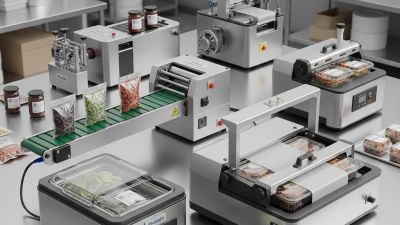
Choosing the right food packaging machine is crucial for ensuring quality and efficiency in food production. This decision impacts product safety, shelf life, and customer satisfaction. The market offers various machines, each designed for specific needs. Understanding these differences is key to making an informed choice.
Experience is vital when selecting a food packaging machine. Consider your production volume, packaging type, and budget. It's essential to consult with experts who can provide insights based on industry standards. Researching different models can also reveal strengths and weaknesses that may not be immediately apparent.
Investing in a food packaging machine requires careful thought. Mistakes can lead to wasted resources and time. Assess the warranty and customer support options of each machine. A reliable machine will offer better return on investment and ease of use.
Understanding Different Types of Food Packaging Machines Available
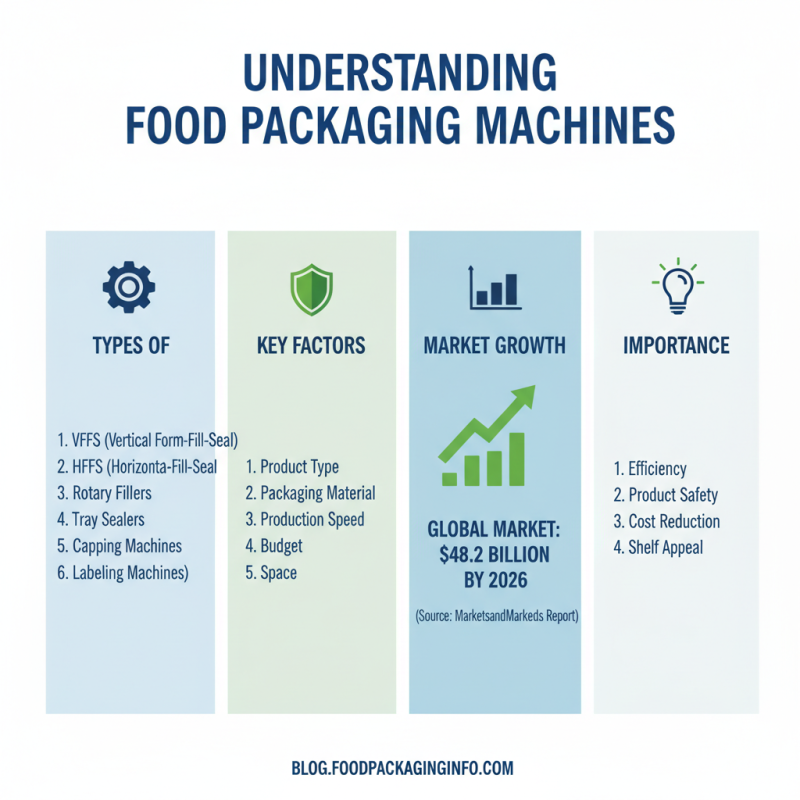
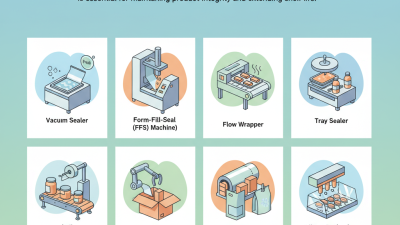
When choosing the right food packaging machine, it is essential to understand the various types. Different machines cater to specific needs, influencing efficiency and safety. According to a recent industry report by MarketsandMarkets, the global food packaging machinery market is projected to reach $48.2 billion by 2026. This growth underscores the importance of selecting appropriate technology.
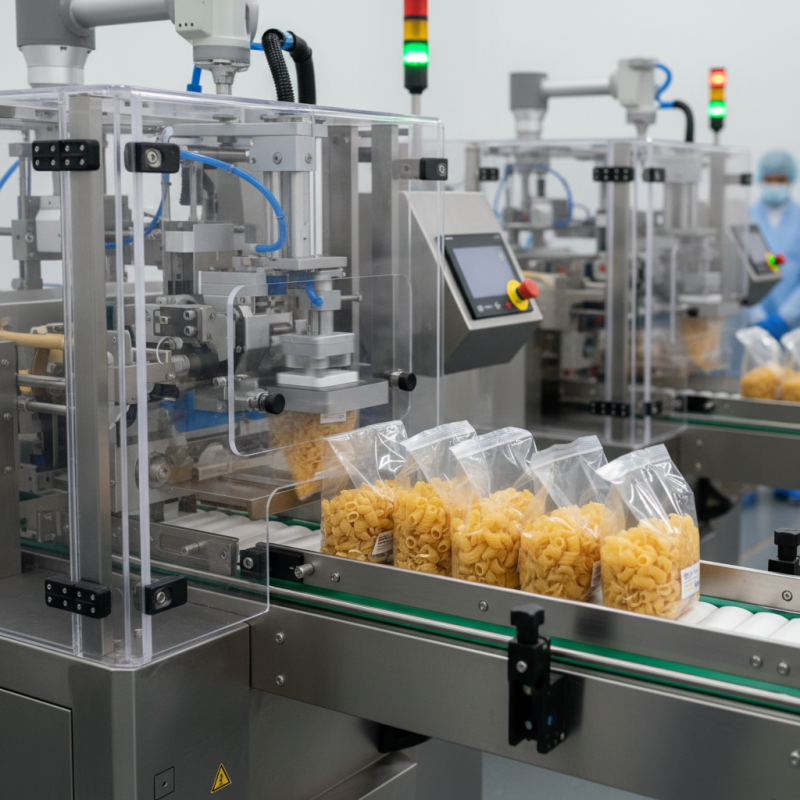
There are several types of food packaging machines, including form-fill-seal machines, vacuum packaging machines, and labeling machines. Form-fill-seal machines automate the process of creating packages from a roll of film. This increases production rates but requires an upfront investment. Vacuum packaging machines extend shelf life by removing air, yet they can be less efficient for bulk packaging.
Tip: Assess your product's needs. Consider its physical properties and shelf life. This knowledge will guide you toward the right machine. Another important aspect is compatibility with other equipment. Machines should seamlessly integrate into existing lines. Evaluate your layout before committing to a purchase. Always seek expert advice from industry professionals to enhance your understanding. This approach will lead to more informed decisions and a better investment in your packaging operations.
Evaluating Production Needs for Food Packaging Applications
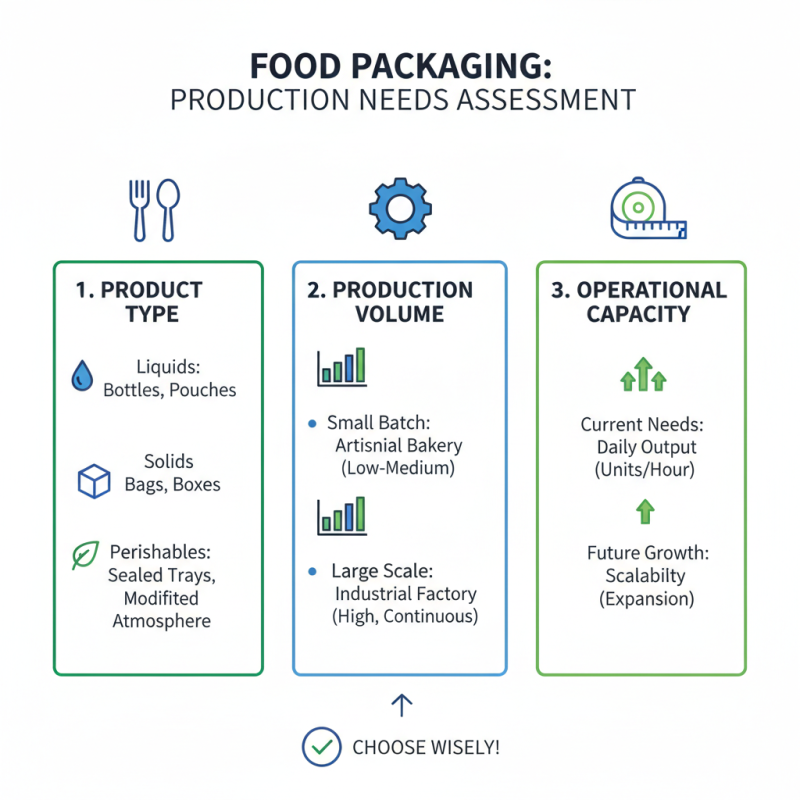
Evaluating production needs is crucial when choosing a food packaging machine. Consider your product types and volumes. Different foods require distinct packaging techniques. For instance, liquids, solids, and perishables each necessitate specific approaches. Think about how much volume you will produce daily. A small artisanal bakery differs vastly from a large-scale factory. Identify your operation’s capacity and scale before making decisions.
Assess the available space in your facility. Food packaging machines come in various sizes. A compact solution may be ideal for a small business, while larger operations might need heavy-duty equipment. Remember, flexibility is essential. Packaging demands can change over time. A machine that accommodates different packaging styles will save you money and time.
Analyze the machine’s efficiency and speed. You might invest in a high-speed unit, but does it suit your needs? If you overestimate your production capacity, it can lead to waste. Reliability is key. A complex machine could lead to frequent breakdowns and costly downtime. Explore the learning curve for your staff. An intuitive machine minimizes training time and ensures smooth operations.
Key Features to Consider in Food Packaging Equipment
When selecting food packaging equipment, consider essential features that meet your production needs. A reliable machine should suit various food types. Different products require specific packaging styles, such as vacuum sealing or shrink wrapping. Matching your machine to your product is critical.
Efficiency is another key feature. Look for machines that maximize output without compromising quality. Speed and accuracy matter. A machine that operates quickly yet ensures proper sealing enhances productivity. However, be cautious; overemphasis on speed can sometimes lead to increased errors or waste.
Additionally, consider ease of use and maintenance. User-friendly controls can minimize operator errors and reduce training time. Ensure that the machine allows for easy cleaning and part replacement. Regular maintenance is vital for long-term reliability. Frequent breakdowns can disrupt production, costing time and money. Analyze potential challenges to implement a truly efficient packaging solution.
Assessing Budget and Cost-Effectiveness of Packaging Solutions
When evaluating food packaging machines, budget and cost-effectiveness are paramount. It’s essential to consider not only the upfront cost but also long-term expenses. An affordable machine may appear attractive, yet it could lead to higher maintenance costs and inefficiencies. Balancing quality with your budget is crucial. Investing in a reliable machine could save money over time, but carefully analyzing each option helps prevent overspending.
Next, think about the total cost of ownership. This includes energy consumption, material waste, and potential labor costs. Machines that require frequent repairs can become a liability. Efficiency in packaging can reduce waste and ensure faster production times, positively impacting your bottom line. Always factor in these elements when assessing your options.
Lastly, consult with industry experts and gather feedback from current users. Their experiences can provide valuable insights into machine performance and reliability. Be cautious, as some reviews may be biased. Conduct thorough research to ensure the best decision. Each choice has its trade-offs, and reflecting on these can lead to more informed, effective investments in food packaging technology.
Cost-Effectiveness of Different Food Packaging Machines
Importance of Maintenance and Support for Packaging Machines
When investing in a food packaging machine, maintenance and support play a crucial role. Regular upkeep is vital for optimal performance. A neglected machine can lead to production delays and increased costs. It’s not uncommon for operators to overlook routine maintenance, thinking it’s unnecessary. However, this can backfire, causing equipment failures that halt production.
Selecting a machine with reliable support is equally important. Technical assistance can prevent downtime and save money. Operators often underestimate the complexity of packaging machines. They may find themselves struggling when issues arise. A manufacturer that offers comprehensive support ensures quick resolutions. It’s essential to evaluate the level of customer service before making a decision.
Maintenance schedules should be easy to follow. Complicated protocols can lead to errors. Training staff on the correct procedures is also crucial. Many users feel overwhelmed by detailed manuals. Investing in user-friendly resources can make a significant difference. Ultimately, both maintenance and support will enhance machine longevity and efficiency.
Top Tips for Choosing the Right Food Packaging Machine
| Tip |
Importance |
Maintenance Frequency |
Support Availability |
| Determine your packaging needs |
Identifying the right specifications for your products |
Before installation |
24/7 customer support |
| Assess machine compatibility |
Ensures smooth production flow |
Monthly checks |
Limited support hours |
| Review energy efficiency |
Cost savings on utilities |
Quarterly maintenance |
On-site training available |
| Consider automation features |
Improves consistency and speed |
As needed |
Email support |
| Evaluate warranty and service plans |
Protects your investment |
Annually |
Extended support options |