What is Reaction Injection Molding and its Benefits for Manufacturers?
Reaction Injection Molding (RIM) has emerged as a revolutionary manufacturing process. This technique combines the elements of traditional injection molding with the benefits of chemical reaction. According to a report from MarketsandMarkets, the global RIM market is expected to reach $9.3 billion by 2027, growing at a significant CAGR. This growth reflects the increasing need for lightweight structures in industries like automotive and aerospace.
One of the prominent advantages of Reaction Injection Molding is its capability to produce complex geometries. Manufacturers can create intricate parts with high precision. Reports from the Society of Plastics Engineers demonstrate that RIM can reduce production times by up to 50%. This efficiency makes it a preferred choice for rapid prototyping and mass production. However, RIM is not without challenges. Issues like surface finish and material compatibility can create uncertainty, requiring careful consideration.
Despite its drawbacks, Reaction Injection Molding offers substantial benefits. The ability to use a variety of materials expands design possibilities. Future advancements may further improve this process, enhancing its reliability. As industries evolve, understanding RIM’s potential will be key for manufacturers seeking innovation and efficiency.
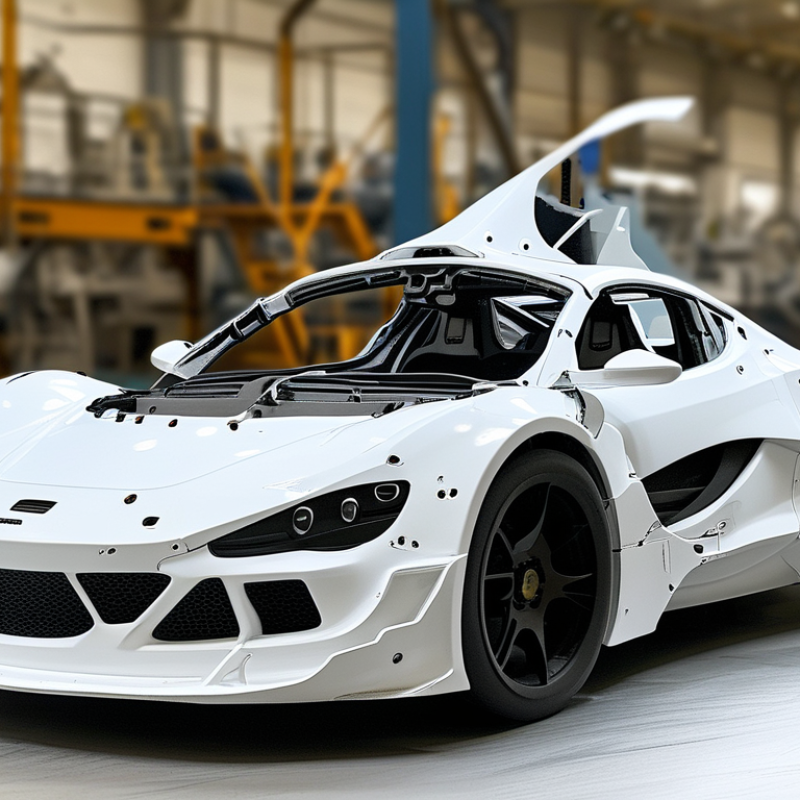
What is Reaction Injection Molding (RIM)?
Reaction Injection Molding (RIM) is a manufacturing process that combines two reactive components. These components are mixed together and then injected into a mold. The reaction creates a foam-like polymer that takes the shape of the mold. RIM is known for its efficiency and versatility. It can produce large parts with a smooth finish and intricate shapes, making it ideal for various industries.
One of the key advantages of RIM is its ability to create lightweight parts. This is crucial in applications like automotive or aerospace, where reducing weight can enhance performance. Another benefit is the rapid production cycles. Manufacturers can save both time and money. This method accommodates various materials, providing flexibility in design and functionality.
Consider these tips when exploring RIM. Understanding the specific needs of your project is vital. Evaluate the types of materials you might use. Keep in mind that while RIM is efficient, it may not be suitable for every application. Always weigh the pros and cons carefully before committing. RIM can offer significant advantages, but it requires thoughtful planning.
The Process of Reaction Injection Molding Explained
Reaction Injection Molding (RIM) is a process that blends two reactive components—resin and hardener—under controlled conditions. The mixture is injected into a mold, where it then expands and cures. This technology excels in creating lightweight, strong, and complex parts. Manufacturers often choose RIM for its flexibility in design and material use. The process is suitable for varying production scales, making it versatile for different needs.
A key advantage of RIM is the ability to use less material while still achieving desired properties. This leads to cost savings in production. Additionally, the finished products often have superior surface finishes. Using RIM, manufacturers can produce components for automotive, aerospace, and consumer goods with consistent quality. It’s important to evaluate the mold design carefully, as it can significantly impact efficiency.
When implementing RIM, consider the curing time and temperature. Adjusting these factors can optimize the final product. Effective communication with the mold-making team is crucial. This ensures that any challenges are addressed early on. Remember, while RIM offers many benefits, it’s essential to test prototypes to refine the process for specific applications.
Key Materials Used in Reaction Injection Molding
Reaction Injection Molding (RIM) utilizes specific materials that offer distinct advantages for manufacturers. Key materials in RIM typically include polyurethanes, polyesters, and epoxies. Polyurethanes, in particular, are prominent due to their versatility and durability. They exhibit excellent mechanical properties, making them suitable for various applications such as automotive parts, industrial components, and consumer goods.
Market data shows that the demand for polyurethanes in RIM applications is expected to grow by 4.8% annually over the next five years. This growth is attributed to their lightweight nature and resistance to chemicals. Manufacturers benefit from these materials as they allow for faster production cycles and reduced waste. Additionally, the ability to create complex shapes leads to cost-effective manufacturing in competitive industries.
When selecting materials for RIM, consider the application's specific requirements. Factors like thermal stability and mechanical stress should guide your choices. Understanding the properties of materials can avoid costly production errors. It is essential to experiment with different formulations to find the best fit for your needs. Such careful consideration can also lead to innovations in product design, enhancing overall customer satisfaction.
Benefits of Reaction Injection Molding for Manufacturers
Reaction Injection Molding (RIM) presents unique benefits for manufacturers, particularly in producing complex geometries. This process allows for the incorporation of diverse materials, enabling the production of lightweight yet durable components. According to a recent industry report, RIM reduces production costs by up to 30% compared to traditional injection molding methods, mainly due to material efficiency and reduced labor costs.
Manufacturers also appreciate the rapid cycle times in RIM, resulting in shorter lead times. The ability to create large parts without the need for heavy machinery is a significant advantage. For example, RIM can efficiently produce automotive components, often achieving significant weight reduction. In some cases, parts produced via RIM can be 20% lighter than their counterparts made through other methods.
However, while RIM offers numerous advantages, it’s crucial to address its limitations. Initial equipment costs can be high, which may deter smaller manufacturers. Additionally, achieving optimal mold design requires expertise. Proper training in material compatibility and processing is essential for successful outcomes. As the industry evolves, balancing these benefits and challenges will be vital for maximizing RIM's potential.
Applications of Reaction Injection Molding in Various Industries
Reaction Injection Molding (RIM) is gaining traction across various industries due to its versatility and efficiency. One of the most significant applications of RIM is in automotive manufacturing. It allows for the production of lightweight components that contribute to improved fuel efficiency. For instance, car manufacturers utilize RIM to create complex shapes for bumpers and interior panels. This process reduces assembly time and overall costs, enabling manufacturers to respond swiftly to market demands.
Another notable industry utilizing RIM is consumer goods. Companies are tapping into this technology to produce durable and aesthetically pleasing products. To illustrate, RIM is used for creating housings for electronics that need to be lightweight yet resilient. However, while RIM provides many advantages, it is not free from challenges. The initial setup costs can be higher than traditional methods. Moreover, achieving uniform quality across batches can sometimes be a concern for manufacturers.
In the construction sector, RIM is making strides in producing insulation materials. These materials offer excellent thermal and acoustic properties. However, they can sometimes pose environmental challenges during production. Despite this, many companies are exploring ways to enhance sustainability in RIM processes. As industries continue to innovate, the potential of Reaction Injection Molding remains vast and warrants further exploration.