What is a Piston Filler and How Does it Work?
In the world of packaging, a Piston Filler stands out for its efficiency and precision. This device plays a crucial role in the food and beverage industry, as well as in cosmetics. Understanding how a Piston Filler operates can enhance both production speed and consistency. It uses a piston mechanism to draw in liquid and dispense it accurately into containers.
The design of a Piston Filler allows for the handling of various viscosities. It can work with thick sauces and thin liquids seamlessly. However, the setup and calibration of these fillers require expertise. Improper adjustments may lead to inconsistencies. For businesses, choosing the right Piston Filler can impact overall productivity. Investing the time to understand its mechanics is well worth it.
While Piston Fillers offer many advantages, potential drawbacks do exist. They may require regular maintenance to function optimally. Users must be aware of these challenges. A deeper understanding helps in making informed decisions. This knowledge strengthens production processes and enhances product quality.
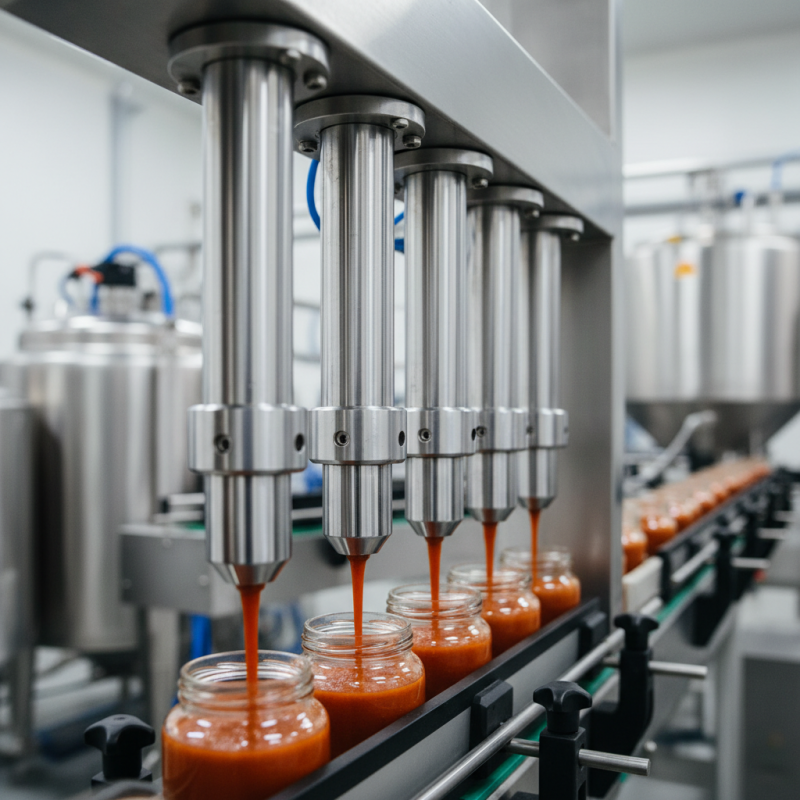
What is a Piston Filler?
A piston filler is a mechanical device used for filling containers with liquids. It is common in industries like food, pharmaceuticals, and cosmetics. This machine utilizes a piston to draw up liquids from a reservoir and release them into bottles or jars, ensuring precise measurements with each cycle.
The filling process begins when the piston moves back, creating a vacuum that draws liquid into the cylinder. When the piston pushes forward, the liquid is forced out through a nozzle into the container. This design allows for greater control, reducing waste and improving efficiency. However, it can be less effective with thicker substances, and adjusting settings may require some practice.
While piston fillers are reliable, they also require regular maintenance. Parts can wear out, leading to inconsistent fills. Operators should be familiar with troubleshooting basic issues. The balance between efficiency and maintenance is crucial in achieving optimal performance. Understanding the machine's limitations can help in making informed decisions about its use in various applications.
How Does a Piston Filler Operate?
A piston filler is an essential tool in various industries, particularly in food and beverage, pharmaceuticals, and cosmetics. It operates through a straightforward yet effective mechanism. The design consists of a cylinder with a piston that moves back and forth. As the piston retracts, it creates a vacuum that draws liquid into the cylinder. When the piston advances, it forces the liquid out through a nozzle. This simple process effectively ensures precise volumetric filling.
Data shows that around 75% of manufacturers prefer piston fillers for their versatility. They can handle a wide range of viscosities, making them suitable for both thin liquids and thicker pastes. The accuracy of piston fillers can reach up to 99.5% for volumetric measurements. However, achieving this precision requires regular calibration. Neglecting maintenance can lead to inconsistency and spoilage.
The operation of a piston filler may seem foolproof, but there are challenges. Variations in product temperature can affect viscosity, impacting the fill accuracy. Furthermore, the need for thorough cleaning between batches can add to production downtime. These factors highlight the importance of regular procedure reviews and operational adjustments in maintaining effectiveness.
Piston Filler Operational Efficiency by Application Type
Key Components of a Piston Filler
A piston filler is a vital component in various industries, especially in food and beverage production. Understanding its key components aids in optimizing performance and efficiency.
One main part of a piston filler is the piston itself. It draws liquid into a chamber and expels it into the desired container. The precision of this process ensures minimal waste of materials, which according to industry reports, can save companies up to 15% in material costs annually. Another critical component is the cylinder, where the piston operates. This component must endure high pressures, particularly in high-speed production lines, emphasizing the need for robust materials.
Seals and valves also play a major role in the functionality of piston fillers. Seals ensure that the liquid does not leak during filling, which can lead to significant losses. A study showed that leaks can account for as much as 5% of product loss in some manufacturing environments. Additionally, the type of valve influences the speed and reliability of the filling process. Choosing the right valve can make a substantial difference, highlighting the importance of careful component selection. Understanding these components enhances operational efficiency and product quality.
Advantages of Using a Piston Filler
A piston filler is an advanced filling machine widely used in manufacturing. It provides precise controls over the liquid filling process. This technology benefits various industries, particularly food and beverage, pharmaceuticals, and cosmetics. The mechanism works simply yet effectively. A piston draws up the desired volume of product, then dispenses it into containers accurately.
One significant advantage of using a piston filler is its versatility. It can handle various viscosities, from thin liquids to thick creams. This flexibility allows producers to work with an extensive product range. Moreover, the accuracy offered by piston fillers reduces waste and enhances production efficiency. It is vital in industries where margins are tight.
Another welcome feature is easy cleaning. Many piston fillers are designed for quick disassembly. This is particularly beneficial when switching between different products. However, operators should be cautious during reassembly to ensure proper function. A missed step can lead to malfunctions or filling errors. Training for staff on these machines is essential. Proper handling is key to maximizing the unit's reliability and performance.
Applications of Piston Fillers in Various Industries
Piston fillers are essential tools in various industries, known for their efficiency in liquid packaging. These devices are widely used in food and beverage, pharmaceutical, and cosmetic sectors. Their primary function is to dispense precise amounts of liquids, which is crucial for maintaining product consistency and quality. For example, in the food industry, accurate filling reduces waste and ensures that every package contains the right volume.
In the pharmaceutical sector, piston fillers play a critical role in maintaining sterile environments. They help ensure that medicines are filled accurately, aligning with safety guidelines and regulatory requirements. In cosmetics, the consistent filling of products creates a sense of reliability for consumers. However, the calibration process can be challenging. Monitoring and adjusting the fill levels is a constant area of focus for manufacturers. Mistakes in this area can lead to product recalls or customer dissatisfaction.
While piston fillers excel in precision, they require regular maintenance. Neglect can result in underfilling or overfilling, raising concerns about product integrity. Training staff on the nuances of these machines is vital. This can sometimes get overlooked amidst the hustle of production deadlines. Yet, understanding the technology can lead to significant improvements in efficiency and accuracy.