How to Choose the Right Automatic Filling Machine for Your Business
Choosing the right automatic filling machine for your business can significantly impact your production efficiency and product quality. As industry expert Dr. Emily Chen, a leading consultant in packaging technologies, emphasizes, “Selecting the right automatic filling machine is not just about capacity; it’s about harmonizing speed, precision, and versatility to fit your specific needs.” With various options available in the market, understanding the diverse features and functionalities can be daunting for many business owners and operators.
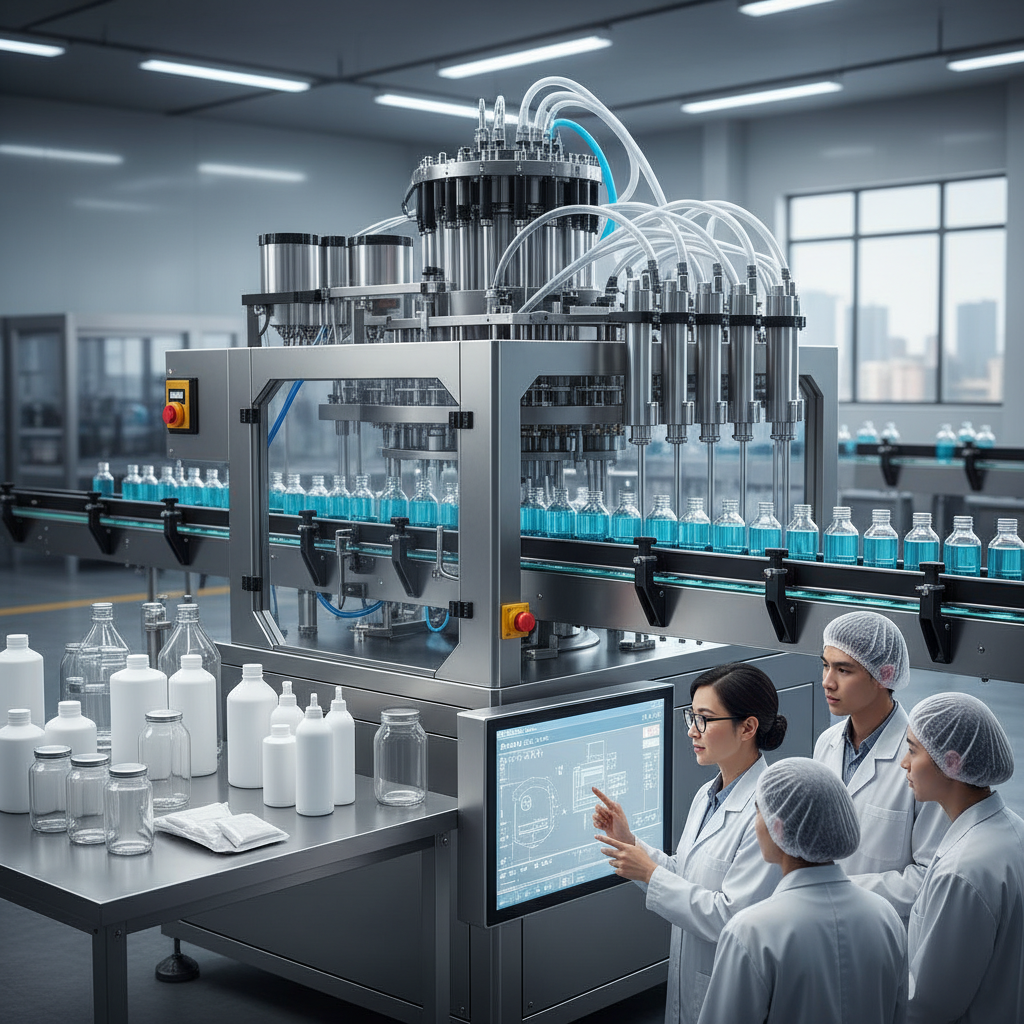
An automatic filling machine can streamline operations, reduce labor costs, and enhance accuracy in filling processes. However, making the wrong choice can lead to costly downtime and production hiccups. From determining the size and type of products to considering the materials that best suit your production line, several factors must be weighed. By following practical tips and understanding common pitfalls, businesses can make informed decisions that enhance their output and meet consumer demands.
In this guide, we aim to simplify the process of choosing the ideal automatic filling machine for your needs. We’ll cover essential considerations, expert advice, and tips that will put your business on the right track in selecting the perfect equipment that not only meets current demands but also supports future growth.
Key Factors to Consider When Selecting an Automatic Filling Machine for Your Business
When selecting an automatic filling machine for your business, several key factors must be considered to ensure an optimal fit for your production needs.
First, assess the specific requirements of your product, such as viscosity, temperature, and sensitivity to air exposure.
For instance, if you're dealing with thick liquids or paste-like substances, a machine with adjustable nozzles and pressure controls will be essential.
Analyzing the technical specifications of filling machines in relation to your product can prevent costly errors and downtime.
In terms of market trends, the U.S. automatic filling machine sector is experiencing significant growth.
With projections indicating a compound annual growth rate (CAGR) of around 5.9% from 2024 to 2032, businesses are encouraged to adopt machines that not only meet current demands but can also adapt to future needs.
Tips: Consider scalability—select a machine that can handle varying production volumes as your business grows.
Additionally, evaluate the ease of maintenance and availability of parts to minimize interruption.
Lastly, ensure that the machine meets regulatory standards for your industry, as compliance plays a crucial role in the operational integrity of your business.
Understanding Different Types of Automatic Filling Machines and Their Applications
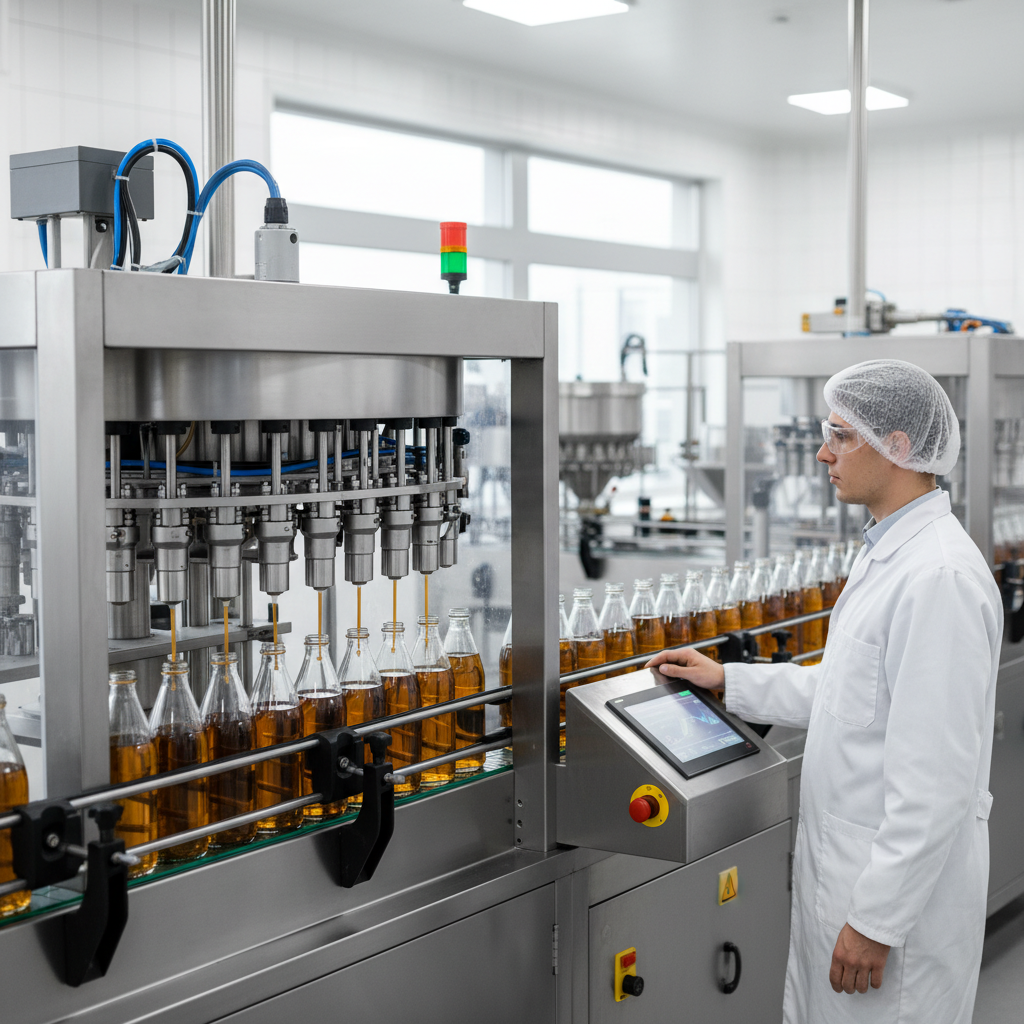
When selecting an automatic filling machine, it's essential to understand the various types available and their specific applications.
Gravity fillers are ideal for thin liquids, such as water or oil, where the flow is driven by gravity. They are cost-effective and easy to operate, making them suitable for small to medium-sized businesses.
On the other hand, pump fillers are versatile and can handle a wide range of liquid viscosities, including thicker products like sauces and creams. These machines utilize a pump mechanism to ensure accurate and consistent filling, making them a popular choice for food and cosmetic industries.
Another option is the pressure fillers, which are particularly effective for carbonated beverages. These machines fill bottles under pressure to minimize foaming and ensure product integrity. For businesses dealing with powders or granules, auger fillers provide precise volume control and are essential for packing items like spices or flour. Finally, consider the specialized machines like vacuum fillers that are designed for specific applications, such as filling delicate products or preventing oxidation.
Understanding these different types of automatic filling machines and their applications will enable you to choose the right one tailored to your operational needs.
Assessing Production Capacity and Speed Requirements for Your Filling Operations
When selecting an automatic filling machine, assessing your production capacity and speed requirements is crucial. Begin by evaluating the volume of product you intend to fill daily. Production capacity is typically measured in bottles or containers per hour, and aligning your machine’s output with your business needs is essential for maintaining efficiency. Understanding the demand fluctuation in your market can also help determine whether a machine with variable speed settings might be advantageous, allowing for adjustments during peak times.
Additionally, consider the speed of your filling operations. A high-speed machine may seem appealing, but it must match your overall production flow seamlessly. If the filling speed exceeds your downstream packaging processes, it could lead to bottlenecks and operational inefficiencies. Engaging in a thorough analysis of both your current and future production needs will enable you to make an informed decision. Be sure to assess not just the maximum speed, but also the machine's capability to maintain consistent performance under varying load conditions, ensuring it can meet your business’s long-term goals.
Production Capacity and Speed Requirements for Automatic Filling Machines
Evaluating the Cost-Benefit Ratio of Various Automatic Filling Machines on the Market
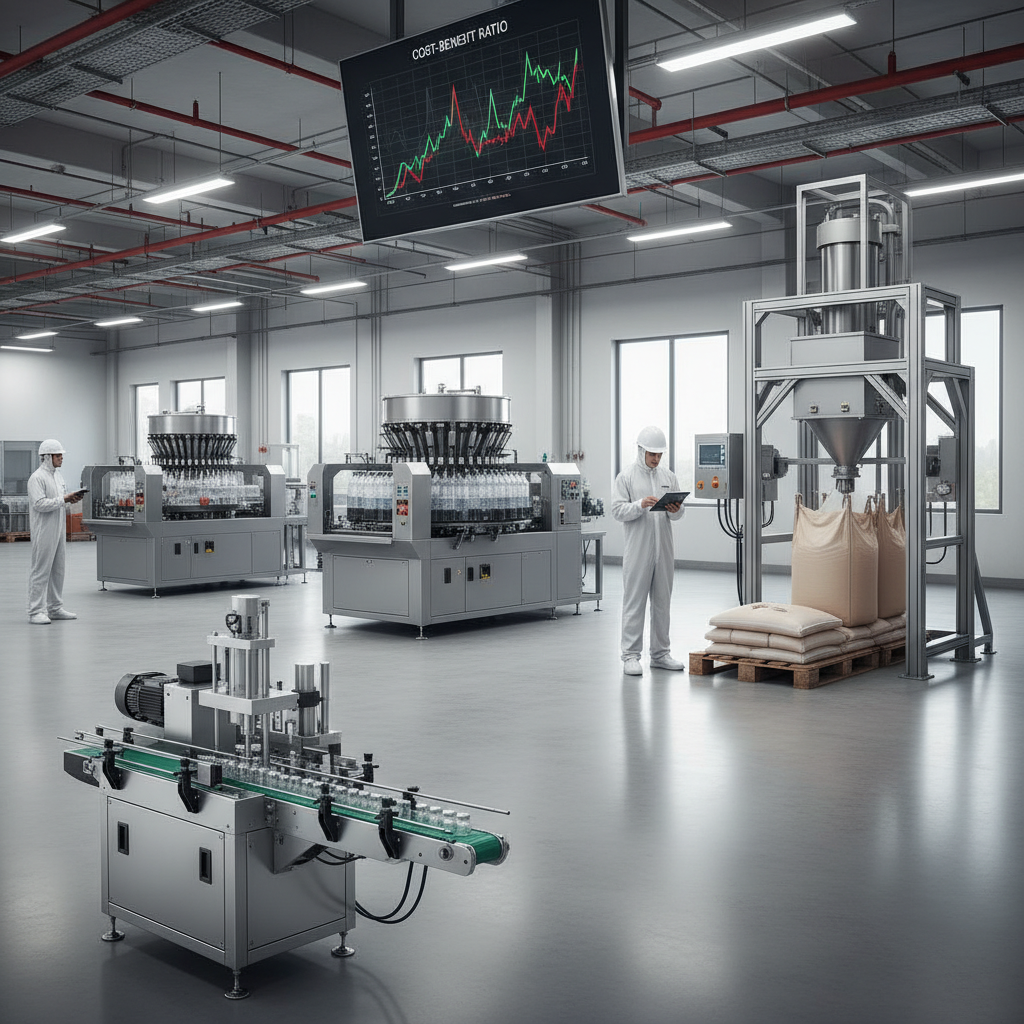
When choosing the right automatic filling machine for your business, evaluating the cost-benefit ratio is crucial. Different machines offer various functionalities, so it’s essential to align their capabilities with your operational needs. Start by researching models that fit your production volume and speed requirements. Consider not only the initial purchase price but also long-term costs such as maintenance, energy consumption, and compatibility with existing systems.
Tips: Assess the total cost of ownership. When analyzing the cost-benefit ratio, focus on both upfront and ongoing expenses. A cheaper machine may lead to higher operational costs down the line, while a more expensive model could save money over time through efficiency and durability.
Additionally, look for machines that offer scalability. As your business grows, you’ll want a filling machine that can adapt to increased production demands without significant investment. Tips: Choose machines with modular features. This allows you to upgrade components or expand capabilities, providing flexibility and future-proofing your investment.
The Importance of Machine Reliability and Maintenance in Filling Technology Choices
When selecting an automatic filling machine for your business, the importance of machine reliability and maintenance in your decision cannot be overstated. A reliable machine ensures consistent performance, minimizing downtime and maximizing productivity. If a filling machine frequently malfunctions or requires excessive repairs, it can lead to significant operational inefficiencies and increased costs. Therefore, opting for equipment from reputable manufacturers known for durability and reliability can provide you with peace of mind.
**Tip:** Always request performance records from the manufacturer to understand the machine's reliability in real-world conditions. Also, consider machines with user-friendly maintenance features that allow your staff to perform routine checks easily.
Regular maintenance protocols are essential for ensuring the longevity of your filling equipment. Machines that are poorly maintained can lead to inaccuracies in filling quantities and spoilage of products, especially in sensitive industries like food and pharmaceuticals. Establishing a routine maintenance schedule and training your staff on proper handling can greatly enhance the lifespan of your filling machinery.
**Tip:** Develop a checklist for daily and weekly maintenance tasks, and invest in training programs for your employees to keep your filling machines in peak condition. This proactive approach can prevent small issues from becoming costly repairs down the line.