How to Choose the Best Transparent Biodegradable Food Film?
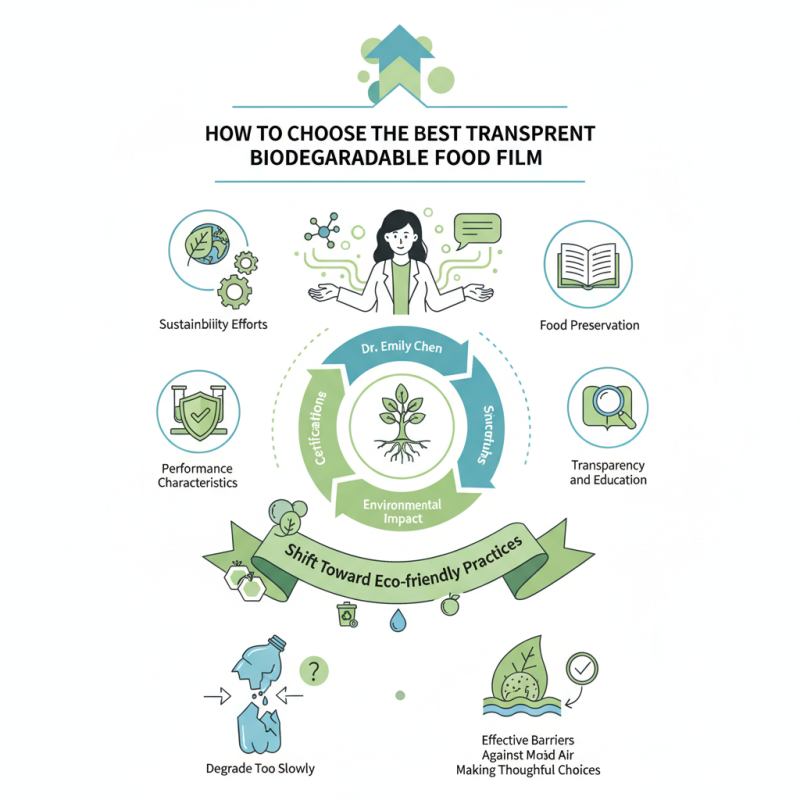
Choosing the right Transparent Biodegradable Food Film can significantly impact food preservation and sustainability efforts. Renowned expert Dr. Emily Chen, a leading authority in packaging technology, emphasizes, “Selecting the right materials can elevate not just storage, but environmental responsibility.” This statement highlights the importance of making informed choices in the growing market of packaging solutions.
Transparent Biodegradable Food Film is more than just a trend; it represents a shift towards eco-friendly practices. These films are designed to reduce plastic waste while maintaining visibility and freshness. Consumers are increasingly aware of their environmental footprint. In response, manufacturers are innovating with materials that break down more easily, yet still provide effective barriers against moisture and air.
However, not all films labeled as biodegradable perform equally. Some may degrade too slowly or lack the proper certifications. It is essential to evaluate their performance characteristics, environmental impact, and sourcing. This process can be daunting. As the industry evolves, transparency and education remain crucial. Making thoughtful choices in this arena helps ensure that we support sustainable practices while meeting our food preservation needs.
Understanding Transparent Biodegradable Food Films
Transparent biodegradable food films are designed to keep food fresh while being environmentally friendly. These films are usually made from renewable resources. They break down naturally, reducing plastic waste. Choosing the right one is vital for both food safety and sustainability.
When selecting a transparent biodegradable food film, consider its composition and thickness. A thicker film may provide better protection. However, ensure it maintains flexibility. Some films are made from materials like PLA, which can handle moisture but may not be heat-resistant. Pay attention to the storage conditions of your food.
Look for films that have certifications verifying their biodegradability. Not all films degrade at the same rate or under the same conditions. Many films may promise to be biodegradable, but they need specific environments to complete the process. Understanding these factors helps make informed decisions.
How to Choose the Best Transparent Biodegradable Food Film? - Understanding Transparent Biodegradable Food Films
| Feature | Description | Benefits | Considerations |
| Material | Typically made from corn starch or cellulose. | Biodegradable and compostable, reducing landfill waste. | Check for certifications confirming biodegradability. |
| Transparency | Clear and transparent for visibility of contents. | Allows customers to see the product without opening. | May be less opaque compared to traditional plastic films. |
| Thickness | Available in various thicknesses to cater different needs. | Thicker films provide better protection and durability. | Thicker options may be less flexible. |
| Sealability | Ability to form airtight seals. | Prevents spoilage and keeps food fresh longer. | Ensure compatibility with sealing machines. |
| Price | Generally higher than conventional plastic films. | Investing in eco-friendly options promotes sustainability. | Consider bulk purchasing for cost savings. |
Key Materials Used in Biodegradable Food Films
Biodegradable food films are gaining popularity as eco-friendly alternatives to traditional plastic wraps. Key materials used in these films play a crucial role in their effectiveness and sustainability. Common choices include polylactic acid (PLA), a plant-based polymer. PLA films are compostable and decompose naturally, leaving no toxic residues. Additionally, they provide good barrier properties against moisture.
Starch-based films are another promising option. Derived from crops like corn and potatoes, they are often combined with other materials for enhanced strength. These films can vary widely in texture and flexibility. Using natural additives, like essential oils, can improve microbial resistance, which is vital for food preservation.
There are concerns regarding the mechanical properties of biodegradable films. Sometimes, they lack the durability of traditional plastics, leading to potential issues in handling. It's important to assess the environmental impact of production, not just the end-of-life options. Continuous research is vital for improving these materials. Balancing performance with sustainability is a challenge that requires innovation and critical evaluation.
Evaluating Biodegradable Food Film Performance and Safety
Choosing a transparent biodegradable food film requires careful evaluation of performance and safety. Biodegradable films can vary widely in their materials and properties. It's crucial to look at how they perform in different conditions. For example, some films may not hold up well in moisture, affecting food preservation.
Safety is another key aspect. Not all biodegradable films are created equal. Some may contain additives that could leach into food. Understanding the stability of these films at various temperatures can also determine their safety. Testing under real-life conditions is vital. DIY testing could reveal weaknesses that lab tests might overlook.
Transparency is important, but so is the film's effectiveness in keeping food fresh. A flimsy film might tear easily, exposing food to air and bacteria. The balance between eco-friendliness and performance often requires deeper inspection. Reflecting on these factors will help ensure that your choice stands the test of time and meets safety standards.
Performance and Safety Evaluation of Transparent Biodegradable Food Film
Environmental Impact of Transparent Biodegradable Food Films
The environmental impact of transparent biodegradable food films is significant, especially in reducing plastic waste. Traditional plastic wraps take centuries to decompose, causing severe harm to ecosystems. In contrast, biodegradable options break down relatively quickly, minimizing long-term pollution.
These films are typically made from renewable resources. Materials like cornstarch or plant-based polymers are common. However, their degradation depends on specific conditions, such as temperature and moisture. Some biodegradable films may not break down effectively in landfills, leading to misconceptions about their eco-friendliness.
Choosing the right biodegradable film requires more than just environmental claims. Look for certifications that confirm the product's biodegradable status. Education around these products is vital. Misunderstandings about their capabilities can lead consumers to think they are always guilt-free. Proper disposal methods also play a crucial role in achieving the intended environmental benefits.
Tips for Proper Storage and Use of Biodegradable Food Films
When using biodegradable food films, proper storage and use are essential to ensure their effectiveness. According to recent industry reports, the global demand for biodegradable packaging has surged by 20% annually. This trend indicates a growing awareness of environmental sustainability. However, improper handling can lead to suboptimal performance.
To maximize the benefits, store these films in a cool, dry place. Excessive heat or humidity can compromise their integrity. For optimal usage, keep food items dry before wrapping. Wet foods can weaken the film, diminishing its protective qualities. A study revealed that nearly 30% of consumers do not follow storage guidelines, which can lead to food spoilage.
While biodegradable films offer a more sustainable alternative, they are not infallible. Some users report issues with cling and sealing. This highlights the need for better awareness about their application. Encourage experimentation with different methods of wrapping. Consider using extra layers for items that are prone to leakages. Being informed can lead to improved food preservation without harming the planet.