How to Choose the Best Air Vacuum Packing Machine for Your Business?
In today's competitive market, choosing the right Air Vacuum Packing Machine is crucial for businesses in food preservation and logistics. According to recent industry reports, the vacuum packing machine market is projected to reach $2.5 billion by 2026, with a compound annual growth rate (CAGR) of 5% from 2021 to 2026. This growth highlights the increasing demand for efficient packaging solutions and the vital role that air vacuum technology plays in maintaining product quality and extending shelf life.
Selecting the right machine involves an understanding of various factors, such as capacity, sealing strength, and operation ease. For instance, businesses should consider machines that can handle their specific volume and product type. However, it’s easy to overlook maintenance requirements that can impact long-term performance. Companies often underestimate the importance of regular upkeep, which can lead to reduced efficiency and costly repairs.
Moreover, businesses must weigh cost against functionality. Investing in a low-priced air vacuum packing machine may seem appealing, but it can result in inconsistencies and increased waste. Comprehensive research and analysis of customer reviews and specifications are essential to make an informed decision. By focusing on quality and reliability, businesses can ensure their packaging aligns with industry standards and customer expectations.
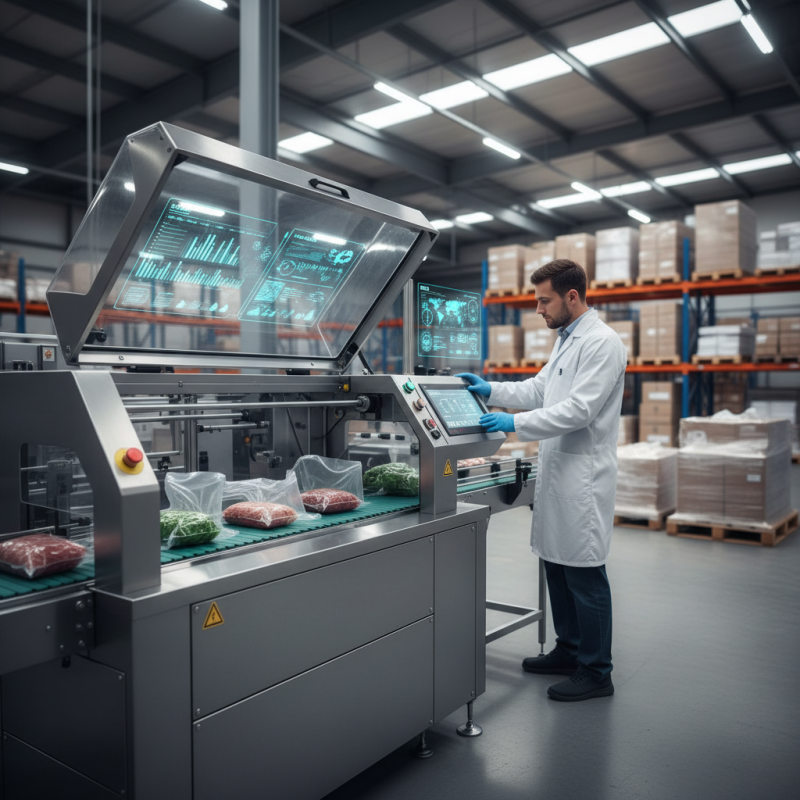
Understanding the Importance of Air Vacuum Packing Machines for Businesses
Air vacuum packing machines play a crucial role in various businesses, especially in food packaging, textiles, and electronics. These machines remove air from packaging, which prevents spoilage, protects products, and extends shelf life. When products are sealed without air, they avoid oxidation and microbial growth. This advantage is vital for maintaining quality and ensuring customer satisfaction.
Choosing the right vacuum machine can be daunting. Not all machines are created equal, and some may not fit your specific needs. Understand the material you will pack and the volume you require. Smaller machines may be adequate for low-volume tasks, while larger operations may necessitate more sophisticated equipment. Reflecting on your business scale early can save time later.
It's also necessary to consider maintenance and durability. Machines that break down frequently lead to lost productivity. Investing in quality might seem expensive at first, but it pays off in efficiency. Remember, a poor choice today can impact product quality tomorrow. Analyze your options and don’t rush; thoughtful decisions lead to better outcomes.
Key Features to Consider When Selecting a Vacuum Packing Machine
When selecting a vacuum packing machine, consider key features that impact efficiency and usability. A robust machine must effectively remove air, preventing oxidation. Look for a high vacuum rate, ideally between 99% and 99.9%. A study by the Food Packaging Association suggests that quality vacuum packing can extend food shelf life by up to five times, highlighting its significance.
Another critical feature is the machine's sealing system. A reliable seal should withstand stress during shipping and storage. Choose machines with adjustable sealing bars for versatility. A report from the Packaging Technology Group emphasizes that adjustable settings can enhance packaging quality, especially for diverse product ranges.
**Tip:** Always review customer feedback. User reviews can indicate real-world performance and durability.
Remember, automation features can greatly reduce labor costs. Some machines offer programmable controls, allowing users to set parameters for different products. Efficiency metrics show that automated systems can improve packing speeds by 30%. However, these machines may have higher upfront costs, which businesses should weigh against long-term savings.
**Tip:** Consider your product volume before purchasing. A high-capacity machine might be needed for larger operations, but smaller businesses could benefit from portable options. Choosing wisely can lead to better productivity.
Key Features to Consider When Selecting a Vacuum Packing Machine
Comparing Different Types of Vacuum Packing Machines for Your Needs
When selecting a vacuum packing machine, understanding the types available is essential. There are chamber vacuum sealers and external vacuum sealers. Chamber models offer a robust solution, sealing liquids and powders effectively. They operate by creating a vacuum in a chamber, leading to a more airtight seal. These machines are suitable for businesses processing large quantities of items. However, they usually come at a higher cost and take up more space.
External vacuum sealers are more portable and affordable. These machines work by sucking air from the bag while it remains outside the unit. They are great for small businesses or home use. However, they may struggle with sealing liquids or bulky items. It’s crucial to assess your specific needs, such as the type of products you handle and your budget. Evaluate whether you need heavy-duty machinery or something more compact.
Reflecting on the features, consider durability and ease of use. Not all machines provide consistent performance. It's wise to read reviews and seek advice from industry peers. Understanding the strengths and weaknesses of each type can guide you in making an informed decision. Your particular packing needs will ultimately dictate the best choice for your business.
Evaluating the Cost-Effectiveness of Vacuum Packing Solutions
When evaluating vacuum packing solutions, cost-effectiveness stands out as a key factor for any business. First, analyze the initial investment in a vacuum packing machine. Prices can vary significantly, from affordable options to high-end models. Lower-priced machines might save you money upfront but may lack durability or efficiency. A thorough cost analysis should include potential maintenance expenses over time.
Consider the long-term benefits of a reliable machine. A higher-quality vacuum packer may cost more initially, but its efficiency can reduce spoilage and labor costs. Efficiency leads to better packing, extending the shelf life of products. As a result, this can boost profits, enhancing overall business health.
Reflecting on your packaging needs, ask whether cheaper solutions fulfill your requirements. Sometimes, they fall short in providing the quality you expect. An unreliable machine can lead to wasted products and increased downtime. This makes it essential to think about how each option aligns with your operational goals, rather than focusing solely on price.
How to Choose the Best Air Vacuum Packing Machine for Your Business? - Evaluating the Cost-Effectiveness of Vacuum Packing Solutions
| Machine Type | Price Range ($) | Vacuum Speed (m³/h) | Weight Limit (kg) | Warranty (Years) | Power Consumption (W) |
| Tabletop Vacuum Sealer | 200 - 600 | 0.5 - 1.0 | 5 - 20 | 1 - 2 | 200 - 500 |
| Chamber Vacuum Sealer | 800 - 2000 | 1.5 - 4.0 | 20 - 80 | 2 - 3 | 500 - 1500 |
| External Vacuum Sealer | 100 - 300 | 0.4 - 0.8 | 2 - 10 | 1 - 1.5 | 100 - 300 |
| Industrial Vacuum Sealer | 3000 - 8000 | 4.0 - 10.0 | 80 - 300 | 3 - 5 | 1500 - 5000 |
Best Practices for Maintaining Your Vacuum Packing Machine for Longevity
Maintaining a vacuum packing machine is crucial for its longevity. Regular cleaning is essential to eliminate food particles and prevent contamination. A damp cloth can work wonders. However, ensure that you do not use harsh chemicals that may damage the machine’s components. Routine inspections are equally important; check seals and gaskets regularly. If they show signs of wear, replace them promptly to avoid leaks during packaging.
Another key aspect is proper storage. When not in use, keep the machine in a dry and cool environment. High humidity can lead to rust, impacting functionality. Additionally, don't overload the machine during use. Overpacking can strain the system, leading to breakdowns. Some might think that pushing limits enhances productivity, but it often backfires. Treating the machine with care yields better results and optimal performance.
Training staff is also a valuable investment. Ensure all operators understand proper usage techniques. Misuse may lead to unnecessary wear or damage. Document any issues that arise. This can provide insight for future improvements in usage and maintenance protocols. Such reflective practices not only enhance efficiency but also ensure a smooth operation for your business.