How to Choose a Small Scale Bottle Filling Machine in 2026?

Choosing a small scale bottle filling machine in 2026 is less about buying the fastest unit and more about matching equipment to the bottle, product, and daily workload. A 250-milliliter glass bottle and a one-liter HDPE container may need different handling, even at the same production rate. PMMI’s 2024 State of the Industry report discusses automation and workforce pressures across packaging operations, making labor needs and ease of changeover practical considerations for smaller producers, too. Check fill accuracy, cleaning access, available floor space, and whether one operator can safely manage routine adjustments.

The details matter. A machine that runs smoothly with water may behave differently with a viscous sauce or foaming beverage. Ask suppliers to demonstrate your actual product in your actual container. Request documented test conditions, service response times, and a clear list of included parts. Grand View Research’s filling-machines market analysis offers broader market context, but global forecasts cannot determine whether a specific model suits your line. Local trials can.

One sourcing note: no articles or interview transcripts were supplied with this request, so I cannot responsibly invent a named expert’s quotation or attribute unverified market figures. That gap deserves attention. A polished quote is not evidence. Before choosing a small scale bottle filling machine, verify any expert statement against its original source, then compare supplier claims with observed test results. A slower, well-supported machine may be the better fit. It may not be the most exciting choice, but that is worth considering.
How to Choose a Small Scale Bottle Filling Machine in 2026?

Define Your Production Needs and Bottle Specifications

Before comparing machines, define what a normal production day looks like. Record target bottles per hour, shift length, batch changes, and expected growth over the next year or two. Use realistic output, not the best-case number on a specification sheet. A machine rated for 300 bottles per hour may fill fewer once changeovers and cleaning are included. Measure current downtime. Small details matter.

Measure bottle samples instead of relying on catalog dimensions. Note capacity, height, diameter, neck opening, material, and shape. Check several bottles from different cartons; small variations can affect guides and stability. Document cap type, fill volume, product thickness, foaming, and temperature too. Water-like liquids and thick sauces behave differently. If your product foams, ask for a filling trial at the intended speed.

Consider cleaning and adjustments as part of the job. Ask how operators change bottle formats, set fill volumes, and access product-contact parts. Confirm the stated rate using your actual bottle and product, ideally in a timed test. Leave room for uncertainty: early estimates can be optimistic, and one awkward container may slow a whole run. A simple specification sheet with photos, measurements, and a filled sample helps suppliers provide clearer, more comparable quotes.
Compare Filling Methods for Your Product and Output

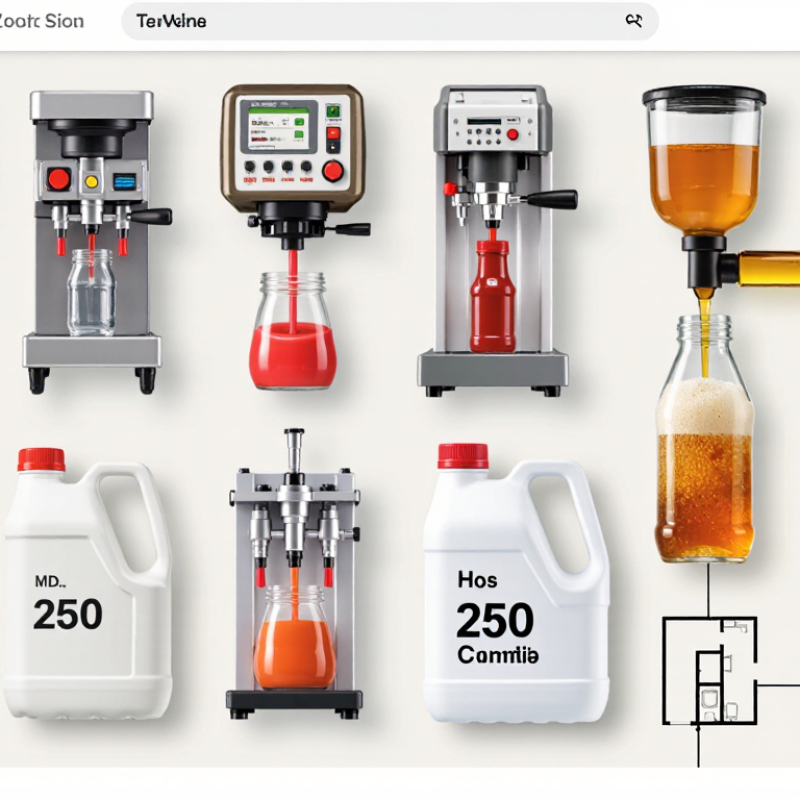
A small-scale filler should match the product before it matches a target speed. Thin, free-flowing liquids often work well with gravity filling. For thicker products, such as honey or lotion, a piston filler can deliver repeatable portions. Peristaltic pumps suit small batches where gentle handling and easy product-path changes matter. Check tubing compatibility, though; that detail is easy to overlook.

The filling method also changes what “accurate” means. An overflow filler helps bottles look equally full, even when their internal volumes vary slightly. A piston or timed-pump system controls the dispensed amount more directly. Foamy liquids may need a nozzle that fills from the bottom upward, plus a slower cycle. Test with the actual product. Water is a poor stand-in for a sticky syrup.

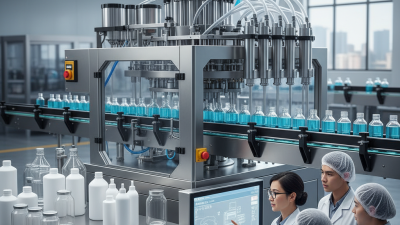
Output depends on more than the machine’s advertised bottles per minute. Include loading, cap placement, cleaning, and product changeovers in your estimate. A single-nozzle tabletop unit may be enough for short runs; multiple heads can reduce waiting as demand grows. Bench tests can flatter a machine. Run a timed trial with your own bottles, then check fill variation and spills. Small differences add up. One awkward changeover can erase the speed gained.

How to Choose a Small Scale Bottle Filling Machine in 2026?

Compare filling methods by product fit and indicative small-scale output.

These broad planning estimates are not guaranteed machine specifications. Actual output depends on fill volume, product viscosity, container handling, changeovers, and operator speed. Gravity filling is generally suited to thin, free-flowing liquids; piston filling handles thicker products and pastes; peristaltic filling is useful for small batches and products that benefit from a dedicated fluid path; overflow filling helps achieve a consistent visible fill level. Confirm performance with your product and bottle before purchasing.

Check Compatibility with Bottles, Caps, and Materials

How to Choose a Small Scale Bottle Filling Machine in 2026?

Check Compatibility with Bottles, Caps, and Materials

Test the machine with the bottles you will actually fill, not just a similar-looking sample. Compare bottle height, diameter, neck finish, and shoulder shape. A narrow base may wobble on a conveyor, while a soft-sided bottle can deform under a guide rail. Small differences matter. Ask the supplier to run several bottle sizes at your intended speed, then inspect fill levels and scuffing. Record the settings; memory is not a process control.

Match the capper to the closure’s diameter, thread, liner, and application method. A screw cap needs suitable chuck engagement and torque control; a pump or flip-top may need different handling. Check wetted parts against the product’s ingredients and cleaning routine. Stainless steel is common, but seals and tubing also need material-compatibility checks.

OECD’s Global Plastics Outlook (2022) estimates that only 9% of plastic waste was recycled worldwide in 2019. That figure does not mean a filler determines recyclability, but it reinforces the value of preventing avoidable rejects and confirming bottle-and-cap material choices. Be candid about limits: one successful sample run cannot prove every batch will behave identically. Test production materials, closures, and cleaning conditions before committing.

Evaluate Accuracy, Cleaning, Controls, and Machine Footprint

Choosing a small-scale bottle filling machine in 2026 starts with the product, not the brochure. Check its stated fill range against your smallest and largest containers. Then test real bottles with your actual liquid. Thick sauces, thin oils, and foaming cleaners behave differently. Record several fills on a scale; one accurate sample proves little. Watch for drips, changing fill levels, and slow cycle times. Small variations add up across a production run.

Cleaning should fit the way your team works. Look for accessible product-contact parts, smooth surfaces, and clear instructions for removing nozzles or hoses. Ask how long a routine wash takes, and whether tools are needed. A machine that cleans well only after extensive dismantling may sit idle between batches. That matters. Still, “easy to clean” can be vague; verify it with a practical changeover test.

Controls should let operators adjust fill volume and speed without navigating confusing menus. Check that settings are readable and can be repeated between runs. Finally, measure the machine, then leave room for bottles, operators, and maintenance access. A compact frame can look ideal on a plan but feel cramped beside a worktable. I would reassess the layout after a trial installation; small clearances are easy to overlook.

Compare Total Cost, Safety Standards, and Supplier Support

When choosing a small scale bottle filling machine in 2026, compare more than the purchase price. Add installation, change parts, cleaning time, maintenance, and expected downtime. A lower-cost unit may become expensive if seals are hard to replace or bottle formats require lengthy adjustments. Estimate cost per acceptable filled bottle using your actual batch size. Small details matter.

Check safety against the requirements that apply to your site and product. Ask for the machine’s risk assessment, guarding details, emergency-stop locations, and electrical documentation. If product-contact parts matter, confirm their material specifications and cleaning instructions. Do not assume a certificate covers every configuration. Have your technical team review the documents before purchase; this step can feel slow, but it prevents awkward surprises during installation.

Tips: Request a live test with your bottles and liquid, if practical. Record fill accuracy, changeover time, and cleaning steps. Ask the supplier to put training, spare-part lead times, and support response expectations in writing. A helpful sales call is not the same as dependable after-sales service. I would also ask who handles troubleshooting after commissioning, since that detail is easy to overlook.

Shopping cart