2026 Best Sachet Filling Machine Options for Your Business?
In the fast-paced world of packaging, finding the right sachet filling machine is crucial for business success. A suitable machine can enhance efficiency and reduce waste. Many businesses are overwhelmed by options available in 2026. This guide aims to explore the best sachet filling machines on the market.
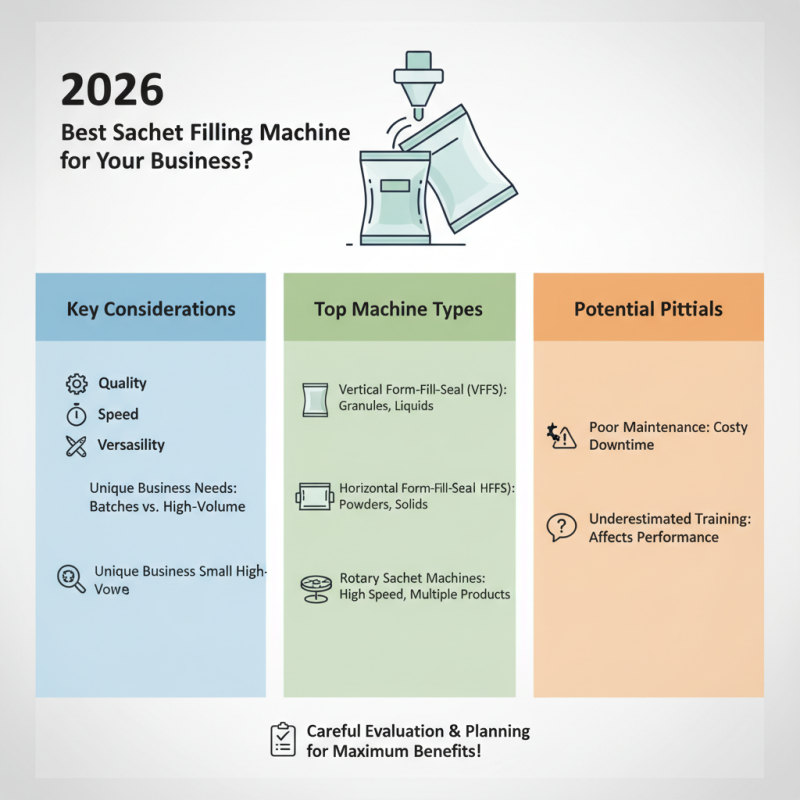
Choosing a sachet filling machine involves more than just price. Quality, speed, and versatility must be considered. Each business has unique needs. Some may focus on small batches, while others require high-volume production. It's essential to reflect on your requirements before making a choice.
Investing in the right equipment is vital, but pitfalls exist. Poor maintenance can lead to costly downtime. Additionally, underestimating training needs can affect performance. Careful evaluation and planning are necessary to maximize the benefits of a new sachet filling machine.
2026 Market Overview: Growth of the Sachet Filling Machine Industry
The sachet filling machine industry is experiencing notable growth in 2026. Businesses are now eager to adopt innovative solutions for packaging. This demand reflects a shift in consumer preferences towards convenience. More products are being offered in small, single-serve formats. Therefore, the need for efficient sachet filling technology is critical.
Investing in sachet filling machines brings opportunities but also challenges. Some machines are complex, requiring specialized training. This can lead to operational inefficiencies if not addressed. Moreover, not all solutions fit every business model. Smaller companies may struggle with costs while aiming for quality. Yet, the potential for increased productivity can outweigh initial hurdles.
Market trends show that sustainability is becoming a priority. Eco-friendly materials are in demand for sachet packaging. Businesses need to adapt quickly or risk falling behind. This transition might not be seamless. Adjusting production lines and training staff takes time. The key is to find a balance between innovative technology and practical implementation.
Comparative Analysis of Top Sachet Filling Machine Brands in 2026
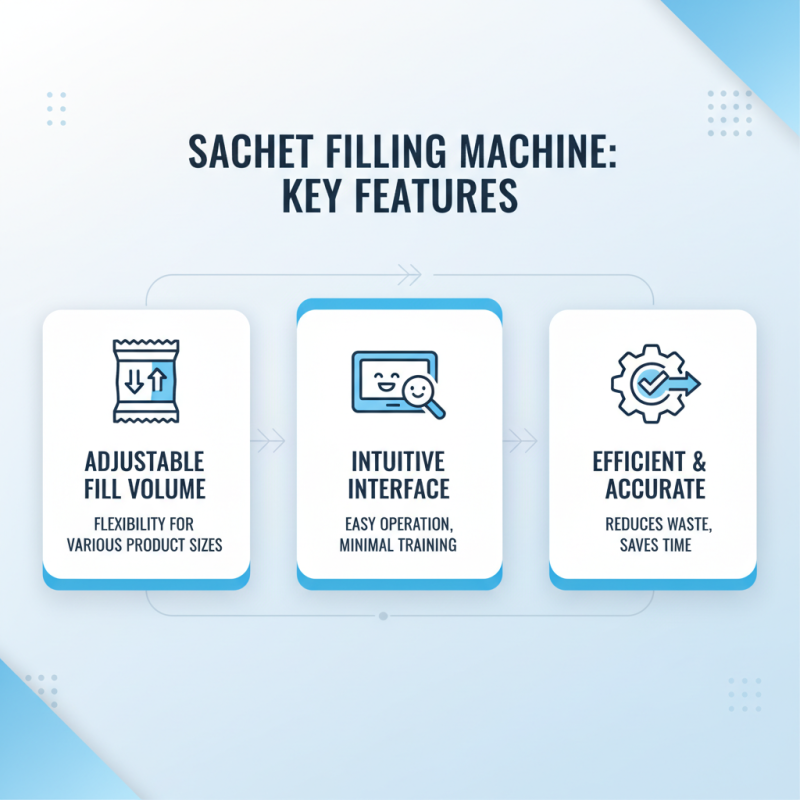
When considering sachet filling machines in 2026, businesses face several critical choices. Various models offer unique features that cater to different production needs. Some machines excel in speed, allowing for high-volume output, while others focus on precision. Precision is key for products that require exact dosages. Many manufacturers emphasize user-friendly interfaces, making them accessible to operators with limited technical skills.
Flexibility is another essential factor. Some machines can handle multiple sachet sizes and materials. This adaptability can save costs for businesses that plan to diversify their product range. However, businesses must evaluate the trade-offs between speed and flexibility. Fast machines may sacrifice precise filling, leading to product waste. Understanding these nuances is vital for making informed decisions.
Cost is an ever-present concern. While some high-end machines boast advanced technology, their initial investment can be daunting. Smaller businesses might hesitate, fearing the long-term return on investment. It’s crucial to weigh the upfront costs against potential gains in efficiency. Businesses should also consider maintenance and support services, which can affect long-term production stability. Every decision in selecting a sachet filling machine should align with the company's specific goals and market demands.
2026 Best Sachet Filling Machine Options for Your Business
| Features |
Model A |
Model B |
Model C |
| Filling Speed (packages/min) |
30 |
45 |
50 |
| Hopper Capacity (liters) |
10 |
15 |
20 |
| Power Consumption (kW) |
1.5 |
2.0 |
2.5 |
| Machine Dimensions (mm) |
1200 x 800 x 1800 |
1300 x 900 x 1900 |
1400 x 1000 x 2000 |
| Weight (kg) |
300 |
400 |
500 |
| Price ($) |
8,000 |
12,000 |
15,000 |
Cost Analysis: Investment vs. ROI for Sachet Filling Machines
Investing in a sachet filling machine can be a game changer for your business. However, understanding the cost versus return on investment is crucial. Initial costs vary widely based on features and capabilities. A basic machine may cost less but might not meet all production needs. Higher-end models often come with advanced automation, which can significantly boost efficiency and output.
It's important to factor in ongoing expenses. Maintenance, labor, and material costs can add up. For smaller operations, these costs may outweigh benefits initially. Reflecting on production volume is essential here. A high-quality machine can lead to greater ROI if your production is steady. Yet, businesses must assess their current scale to avoid unnecessary expenses.
Weighing your options may lead to doubts. Is the investment too steep? Will it truly enhance productivity? These questions are valid. Businesses should run detailed analyses before committing. A clear understanding of both initial costs and potential returns will guide better decisions down the line.
Future Trends in Sachet Filling Technology and Automation
The future of sachet filling technology is bright. Automation plays a crucial role in this evolution. Businesses are increasingly shifting towards smart machines that offer high precision and speed. These machines can significantly reduce labor costs. With real-time data tracking, they enhance production efficiency.
Incorporating AI and machine learning will further improve operations. AI can predict maintenance needs and reduce downtime. This technology allows for quicker adjustments to production lines. It can analyze trends and suggest optimal settings. However, integrating such advanced systems requires thorough planning.
Tips: When investing in sachet filling machines, consider flexibility. Machines that adapt to various products will save costs in the long run.
Also, train your team regularly on new technologies. Knowledge gaps can hinder progress. Embrace changes, but be prepared for some trial and error. Not every solution works perfectly right away; refining processes is key.