2026 Best Print Inspection Techniques and Technologies?
In the rapidly evolving world of print production, ensuring quality is critical. Print Inspection technologies are vital for maintaining standards and improving output. Experts like Sarah Thompson, a leading figure in the industry, states, “The accuracy of Print Inspection directly impacts product reliability.” This underscores the vital role of these techniques.
The industry faces constant challenges. Imperfections in printing can lead to costly errors. Many companies still rely on outdated methods. These approaches may not catch subtle defects. It's essential to innovate and adopt advanced technologies for effective Print Inspection. The shift to automated solutions is necessary for consistent quality.
Reflecting on the current landscape, there is a noticeable gap in awareness about the latest techniques. Organizations often struggle to implement the right solutions. Evaluating various technologies should be a priority in 2026. Relying solely on manual checks is a risk that modern businesses cannot afford. Addressing this gap will lead to better productivity and customer satisfaction.
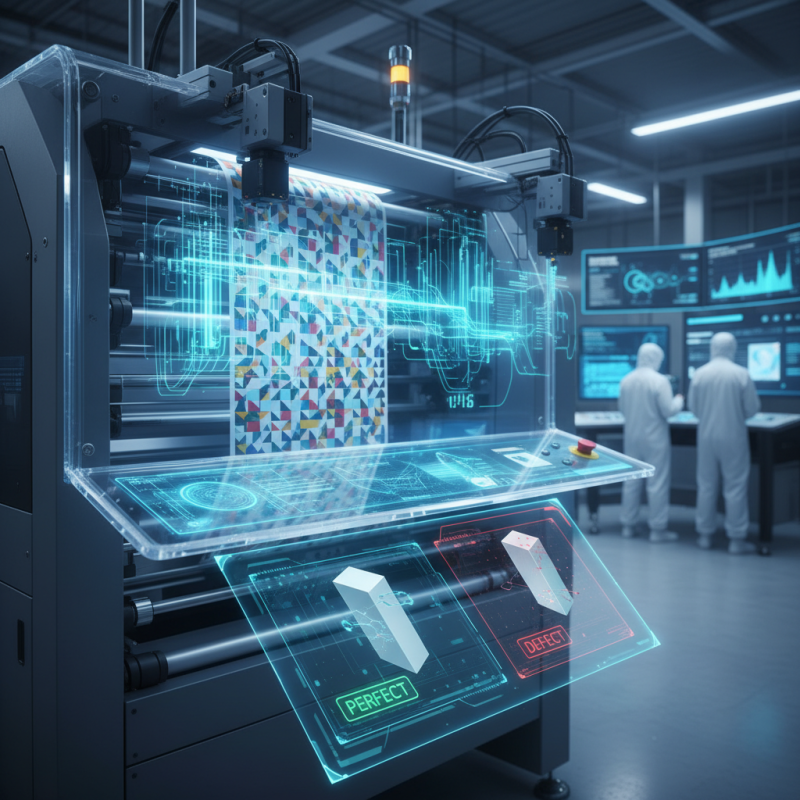
2026 Overview of Print Inspection Techniques and Market Trends
Print inspection techniques are rapidly evolving, driven by the demand for quality assurance in various industries. Recent industry reports indicate that the global market for print inspection technologies is expected to reach $2.4 billion by 2026. This growth reflects a surge in the need for precise quality control measures, especially in packaging and labeling sectors. Companies now rely on advanced systems that combine machine learning with real-time data analysis for accurate defect detection.
Emerging trends show a shift toward automation and AI integration in print inspection. For instance, automated systems are capable of identifying flaws at speeds surpassing traditional methods. However, the implementation of these technologies isn't without challenges. Many companies struggle with high initial costs and complex integrations. A report shows that nearly 30% of manufacturers reported difficulties in adapting to these innovations.
Despite these setbacks, the future looks promising. Quality assurance remains a top priority for businesses, as consumer expectations continue to rise. Industry leaders emphasize the importance of continuous improvement and regular evaluations of inspection processes. The need for reliable, consistent quality makes print inspection technology an essential investment, even as companies navigate its complexities.
Advancements in Optical Inspection Technologies in Print Production
Advancements in optical inspection technologies are transforming print production. A recent report indicates that the global print inspection market is expected to grow at a CAGR of 7.5% from 2021 to 2026. This growth highlights the increasing need for precision in print quality. Traditional methods often fall short, leading to defects that may go unnoticed until after production.
New technologies now leverage high-resolution imaging and hyperspectral analysis. These advancements allow for defect detection in real time. For instance, optical systems can identify color variations or misalignment at a rate of thousands of samples per minute. The data gathered can be used to improve quality control processes significantly. However, inconsistent results can occur due to variations in lighting conditions or material inconsistencies.
Automated solutions are becoming more prevalent. However, they are not without challenges. Once implemented, they require ongoing calibration and monitoring to ensure accuracy. The integration with existing workflows can also be complex. Companies must invest in training and development to achieve the desired outcomes. Despite obstacles, the push for accuracy and efficiency in print production continues, driven by the need to reduce waste and improve output quality.
Comparative Analysis of Automated vs. Manual Print Inspection Methods
In the printing industry, the debate between automated and manual print inspection methods continues. Automated systems can handle volumes efficiently. According to a 2022 report by Smithers, automated inspection can reduce error rates by up to 30%. This technology often utilizes AI and image recognition, leading to quicker turnaround times.
However, there are limitations. Automated systems might miss nuanced defects. For example, subtle color variations can slip through the cracks. Manual inspections allow operators to apply their judgment, providing a level of scrutiny that machines cannot replicate. While this method is slower, it often results in higher quality assurance. Some studies suggest that 15% of defects are caught only by human inspectors.
Tips: Consider a hybrid approach. Use automation for speed and initial checks. Supplement with manual inspections for final quality assurance. Training staff on discernment can further enhance output quality. Regular audits of both methods can provide insights into areas needing improvement. Be open to adapting your approach based on the specific context of each print job.
Impact of Machine Learning on Print Quality Control in 2026
Machine learning is revolutionizing print quality control in 2026. With an ever-growing demand for precision, industries are turning to advanced techniques. Recent industry reports indicate that 75% of companies find machine learning beneficial for improving print accuracy and consistency. This technology quickly analyzes vast amounts of data. It identifies print defects that human inspectors might miss.
Tips: Regularly update your training datasets. Using outdated information can lead to misinterpretation and inaccuracies.
Despite its benefits, reliance on machine learning has challenges. Systems may misclassify certain defects, leading to wasted materials. Industry experts note that some organizations experience a steep learning curve when implementing these technologies. Ensuring your team is well-trained is crucial. Failure to do so can result in lower print quality.
Tips: Conduct periodic reviews of machine learning models. Continuous improvement is essential for maintaining high standards. Quartiles of performance can vary, and adjustments may be necessary.
Industry Standards and Best Practices for Print Inspection Compliance
In the modern printing industry, adhering to compliance standards is crucial. The best practices for print inspection aim at ensuring quality and avoiding costly errors. Regular training for staff on these standards is essential. Engaging the team in discussions about compliance can reveal gaps in knowledge and foster a culture of quality.
Tips: Invest time in routine checks and audits. This keeps everyone accountable. Simple reminders about compliance can make a significant difference.
Implementing advanced inspection technologies can help. Automated systems detect flaws that the human eye might miss. However, relying solely on machines might introduce new challenges. It’s important to balance technology and human oversight. Remember, machines require regular updates and maintenance.
Tips: Schedule periodic reviews of your inspection technologies. Encourage feedback from operators to improve processes continuously. Fostering an environment of open communication can uncover overlooked issues, ensuring higher compliance standards.
2026 Best Print Inspection Techniques and Technologies
This chart illustrates the effectiveness percentage of various print inspection techniques as per industry standards and best practices for compliance in 2026. Inline Inspection techniques show the highest effectiveness, while Manual Inspection has the least.