2026 Best Automatic Packing Machine for Global Buyers

Choosing the 2026 best automatic packing machine requires more than comparing prices or polished product photos. Global buyers need equipment that matches their product, packaging material, output target, factory space, and local compliance requirements. A machine that performs well with dry snacks may struggle with powders, granules, liquids, or fragile goods. The details matter.

In real production environments, reliable packaging depends on stable filling accuracy, consistent sealing temperature, simple changeovers, and accessible replacement parts. Operators also value clear controls, guarded moving components, and practical cleaning access. A useful automatic packing machine should provide measurable performance data, not vague promises. Buyers should request factory videos, sample-pack tests, technical drawings, warranty terms, and documented service response times. Supplier experience matters too. A manufacturer with strong installation support can reduce costly downtime during commissioning.

No machine is perfect. A brochure cannot reveal every limitation. Film wrinkles, product dust, voltage differences, and seasonal humidity may affect results. Buyers should test representative materials before signing an order and confirm regional electrical and safety requirements with qualified professionals. Independent inspections can add confidence, especially for large international purchases. This guide examines machine types, operating features, productivity, maintenance needs, total ownership costs, and supplier reliability. It also highlights practical weaknesses that sales pages often overlook. The goal is not to promote one universal model, but to help businesses make a defensible, evidence-based decision for 2026.

2026 Best Automatic Packing Machine for Global Buyers

What Is an Automatic Packing Machine?

What Is an Automatic Packing Machine?

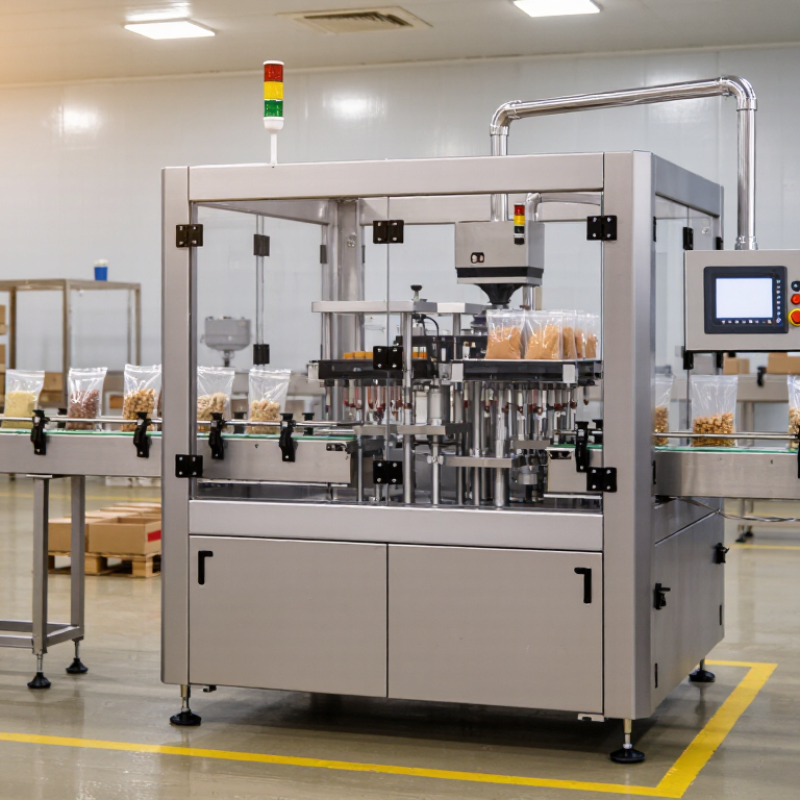
An automatic packing machine performs packaging steps with limited manual handling. Depending on its design, it may measure, fill, wrap, seal, label, or place products into cartons. A small pouch line might drop measured powder into a bag, seal it, then print a batch code. A carton line may erect boxes and load products instead. The term covers many machines, not one standard setup.

Sensors check product position and packaging materials, while a programmable controller coordinates movements and timing. Operators still load supplies, change settings, clear jams, and inspect finished packs. It is not hands-free. The International Federation of Robotics’ World Robotics 2024 report counted 4,281,585 industrial robots operating worldwide in 2023. That figure covers many industries, not packing machines alone, but it shows how widely automated equipment is used. Real performance depends on the product, pack format, line speed, and changeover needs. A machine that runs smoothly with one pouch may struggle with a lighter film or an uneven product. The label can sound more precise than the reality.

How Automatic Packing Machines Work

An automatic packing machine converts a product into a sealed, labeled pack through a controlled sequence. A feeder positions the item, while sensors check its presence and alignment. A programmable controller then coordinates filling, wrapping, sealing, and cutting. On a horizontal flow wrapper, for example, film forms a tube around a snack bar; heated jaws seal the edges and separate each pack. Small details matter. A slightly skewed product can cause wasted film or a weak seal.

The machine’s sensors and control system keep this sequence moving, but they do not remove the need for careful setup. Operators adjust speed, temperature, and film tension for each product and packaging material. The International Federation of Robotics’ World Robotics 2024 report records 541,302 industrial robots installed worldwide in 2023, with 70% of installations in Asia. That figure covers industrial robots, not packing machines specifically, but it shows the broader scale of factory automation. In practice, line performance depends on matching the machine to product size, pack style, and output rate. Changeovers can still take time. A rushed adjustment may produce seals that look fine but fail under handling.

Automatic packing systems typically move products through feeding, measuring or dosing, package forming, filling, sealing, and coding or inspection. The chart shows process order only—not cycle time or machine performance; actual layouts vary by product and machine configuration.

Key Types and Applications for Global Buyers

Selecting the best automatic packing machine in 2026 starts with the product, not the machine price. Vertical form-fill-seal machines suit rice, snacks, powders, and small granules. They form bags from roll film, then fill and seal them continuously. Horizontal machines handle bars, cartons, and fragile products with controlled movement. Premade pouch systems offer neat presentation and flexible pouch sizes.

Applications decide the correct filling system. Multihead weighers support irregular snacks, nuts, and frozen foods. Auger fillers provide steady dosing for flour, spices, and other powders. Volumetric cups work well with products having stable density. Liquid pumps are useful for sauces, oils, and similar materials. Vacuum packing can extend freshness for selected foods when the packaging material is suitable.

Speed is only one buying factor. Seal temperature, dust control, cleaning access, and spare-part availability also affect daily output. A machine running 60 bags per minute may perform poorly with frequent product changes. No machine fits every factory. That assumption often fails. Global buyers should check voltage, language options, local service coverage, and packaging standards before ordering. Requesting sample tests with real products can reveal leaking seals, inaccurate weights, or difficult film tracking. A lower purchase price may hide higher maintenance costs. Careful trials create better decisions.

Essential Features and Selection Criteria

An automatic packing machine should match the product, package, and daily production target—not just a headline speed. Record the smallest and largest pack sizes, product weight, and required seal type. Ask for output rates using your actual product and packaging film. A machine tested with empty pouches may perform differently with real contents. Small detail, big difference.

Check changeover time, cleaning access, and operator controls. Can one worker safely clear a jam without reaching near moving parts? Are recipe settings easy to read and adjust? For global installations, confirm electrical requirements, control-language options, spare-parts availability, and remote service hours. These practical details can matter more than extra automation.

Run a factory acceptance trial with representative products, packaging materials, and several hours of operation. Track misfeeds, rejected seals, and film waste; one short demonstration may hide recurring faults. Review the maintenance schedule and the cost of wear parts, not only the purchase price. I would still leave room for uncertainty: seasonal product changes or new pack formats can challenge a machine that looks perfect on paper. Set clear acceptance criteria before ordering, and document any limits you observe during testing.

Installation, Maintenance, and International Purchasing Considerations

2026 Best Automatic Packing Machine for Global Buyers
Installation, Maintenance, and International Purchasing Considerations

A smooth installation starts with the line, not the machine alone. Measure floor clearance, door access, power supply, compressed-air capacity, and conveyor height before shipment. During commissioning, test real products and packaging materials at the expected line speed. The International Federation of Robotics’ World Robotics 2024 report counted 4,281,585 industrial robots operating worldwide in 2023. That figure is not specific to packing machines, but it reflects the growing need for dependable automation support. I would still budget extra commissioning time; factory schedules rarely behave perfectly.

Maintenance planning should be part of the purchase. Ask for a preventive-maintenance schedule, clear fault codes, spare-parts lead times, and remote-support arrangements. Check whether operators can safely clean sealing jaws and reach routine service points without dismantling guards. For international orders, compare total landed cost, not just the quoted machine price. Confirm destination-market electrical and safety requirements, documentation, language support, shipping terms, and who handles installation. Small details matter.

Tips: Send the supplier product samples, packaging film, and target output before final acceptance. Test changeovers and common fault recovery. Keep critical wear parts on site, even if that ties up some budget.

2026 Best Automatic Packing Machine for Global Buyers - Installation, Maintenance, and International Purchasing Considerations

Machine Type Typical Products and Packs Indicative Output Range Installation Considerations Routine Maintenance International Purchasing Checks
Vertical Form-Fill-Seal (VFFS) Powders, granules, snacks, and other free-flowing products in pillow bags, gusseted bags, or similar film packs. Approximately 20–100 bags per minute for many standard applications; product, film, bag size, and dosing system affect output. Confirm floor space, film-roll loading access, product-feed layout, guarding clearance, and required electrical supply. A multihead weigher or auger filler may require separate integration. Clean product-contact areas; inspect sealing jaws, belts, forming parts, and film path; follow the maker’s lubrication and wear-part schedule. Specify film material and thickness, bag dimensions, product characteristics, target weight, local voltage and frequency, and required electrical documentation.
Horizontal Flow Wrapper (HFFS) Bars, bakery goods, soap, and other discrete products wrapped in a sealed flexible-film pack. Approximately 30–150 packs per minute for many configurations; product spacing, pack length, and infeed automation influence speed. Allow room for product infeed and discharge conveyors. Confirm whether the machine needs manual loading, an automatic feeder, or synchronization with an upstream line. Check sealing tools, cutting blades, film rollers, conveyor belts, and sensors. Keep sealing surfaces clean and verify alignment after format changes. Test representative products and packaging film before purchase. Agree on change parts, format range, sample-pack acceptance criteria, and remote troubleshooting arrangements.
Premade Pouch Filling and Sealing Premade stand-up, flat, or zipper pouches for powders, granules, liquids, and selected solid products. Approximately 20–60 pouches per minute for many standard machines; pouch size, filling method, and sealing steps affect rate. Check pouch magazine access, filling-equipment height, discharge handling, and whether the product needs liquid, powder, or solid dosing equipment. Clean filling nozzles and product-contact parts; inspect pouch grippers, vacuum components, seals, and sensors according to the product and operating environment. Confirm pouch dimensions, zipper or spout requirements, material compatibility, product-contact material specifications, and availability of spare grippers and seals.
Automatic Cartoner Cartons for bottles, tubes, sachets, blister packs, and other individually packed products. Approximately 30–200 cartons per minute across different machine classes; carton size, leaflet handling, and product feeding affect throughput. Verify carton and product infeed direction, available line space, operator access, and compatibility with upstream and downstream equipment. Inspect carton pick-and-place mechanisms, suction cups, guides, glue or tuck systems, and safety interlocks; keep carton magazines and sensors clean. Provide carton drawings and product samples. Confirm the machine handles the actual carton board, closure style, leaflet needs, and required serialization or coding interfaces.
Case Packer Groups of finished packs loaded into corrugated shipping cases, trays, or wraparound cases. Approximately 5–30 cases per minute for many standard systems; case size, pack pattern, and loading method determine achievable output. Plan for case forming, product grouping, and discharge conveyors. Confirm the line layout, floor loading, access for case blanks, and connection to palletizing equipment. Check conveyors, grippers or pushers, case-forming components, sensors, and pneumatic connections where fitted. Remove corrugated dust regularly. Share case drawings, board grades, pack patterns, and pallet requirements. Clarify whether cases are supplied flat, pre-glued, or in another format.
Utilities and Site Readiness Applies to the selected machine and any connected dosing, labeling, coding, or conveying equipment. Use the manufacturer’s approved utility schedule; connected equipment can change total demand. Confirm incoming voltage, phase, frequency, compressed-air quality and pressure, earthing, floor condition, environmental limits, and available lifting equipment before shipment. Keep utility filters and connections in good condition; isolate energy sources before servicing and follow the equipment’s safety procedures. Match the machine’s electrical configuration to the installation country. Do not assume a plug adapter or transformer makes an incompatible machine suitable.
Commissioning and Operator Training Applies to all machine types, including integrated packaging lines. Commissioning time depends on machine complexity, line integration, site readiness, and product testing. Agree in writing on installation scope, site responsibilities, commissioning tests, production materials, interpreter needs, and training language before dispatch. Train operators and maintenance staff on safe operation, format changes, cleaning, fault recovery, and preventive maintenance. Define who pays for travel, accommodation, visas, and return visits. Obtain installation drawings, manuals, electrical schematics, and parts lists in agreed languages.
Documentation, Compliance, and Import Machine, accessories, software, and any product-contact components. Not applicable; requirements depend on destination, product, and machine configuration. Verify applicable local machinery-safety, electrical, and workplace requirements with qualified local personnel before ordering. Keep manuals, maintenance records, safety instructions, and replacement-part references available to the operating team. Confirm the correct customs classification with a customs broker; check import duties, taxes, shipping terms, insurance, certificates, and destination-specific documentation.
Spare Parts and After-Sales Support Wear parts, sensors, sealing components, belts, blades, and other machine-specific items. Set an agreed spare-parts package based on operating hours, production criticality, and supplier lead times. Make sure maintenance staff can safely access service points and that the site has any required diagnostic tools. Use the approved maintenance schedule and record part changes, faults, and service actions. Request a priced spare-parts list, estimated lead times, warranty terms, support hours, remote-service method, and escalation process before placing the order.

Note: Output figures are indicative planning ranges, not guaranteed production rates. Actual performance depends on the product, package dimensions and materials, machine configuration, operator skill, and line integration. Confirm acceptance criteria through a product-and-packaging test with the supplier.

Shopping cart